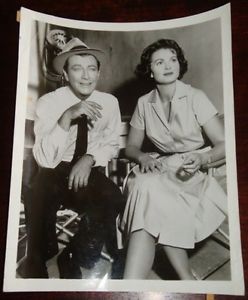
 Twinkle, Twinkle Little TV Star
But for How Long?
By Charles Denton
Los Angeles Herald-Examiner
TV Weekly
Jan.28-Feb.3 1962
An argument that has understandably preoccupied TV actors almost since the inception of the medium has to do whether or not the little lens can make a genuine, 14-karat star of the old galaxy?
Because of its strongly economic nature, the term “star” has a definition in this debate which is markedly different from the general public’s conception of the term. Among actors, it means one of their fraternity whose name on a marquee means money in the till. And on that basis, television has created a dictionary of “names,” but shockingly few real “stars.” Indeed, an impressive number of its “names” have proven in their attempts at motion picture making that they aren’t actually “stars” in the monetary definition, while only a meager few have managed to establish themselves as stars in the eyes of the bankers.
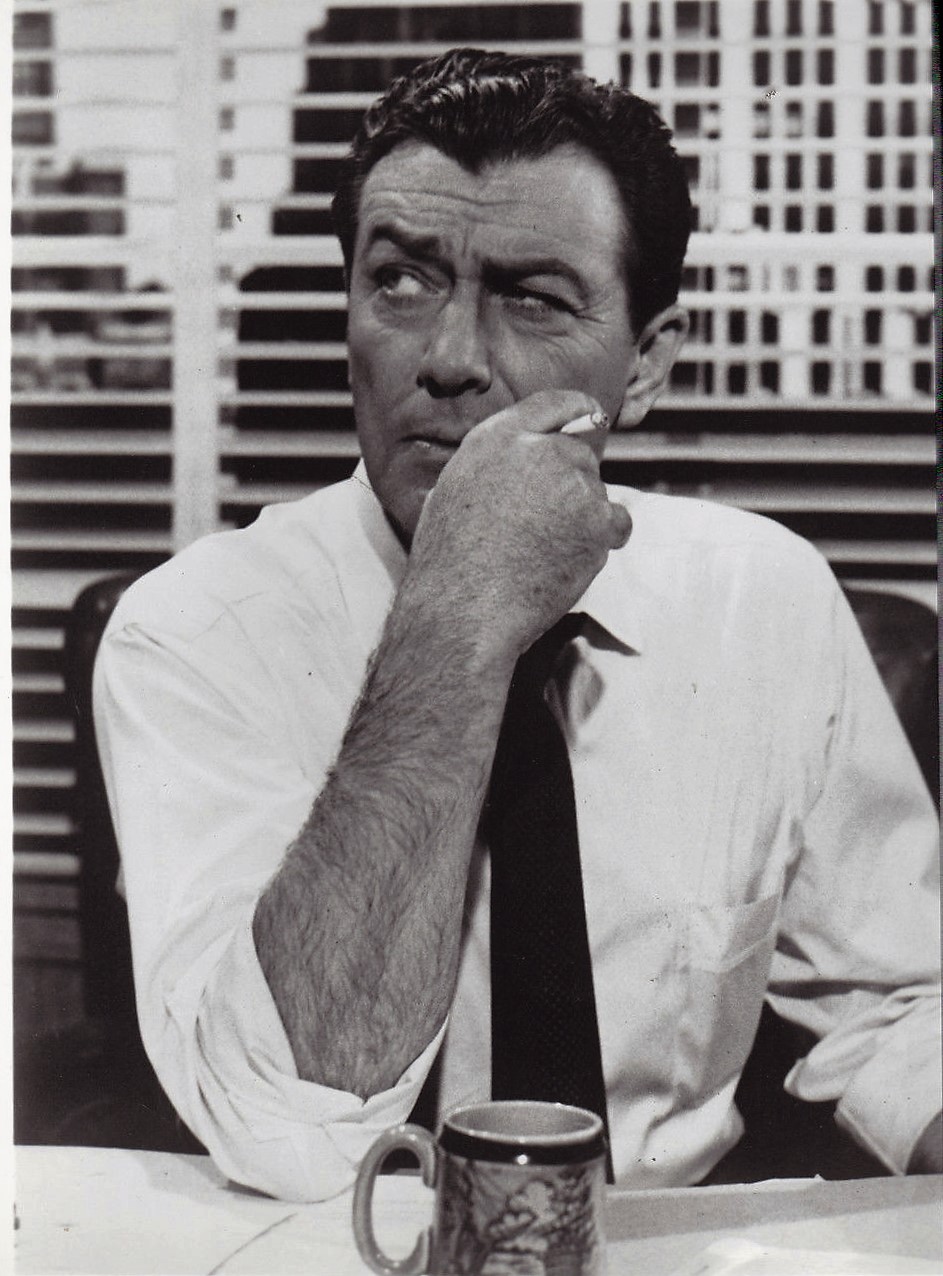
And in the opinion of a man who was one of the movies’ “super-stars” before he ever 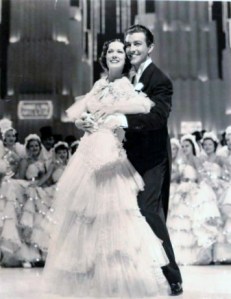 moved into television, Robert Taylor, very few of them ever will. More than that, Taylor is convinced that TV’s stars cannot even hope to enjoy the longevity in their own medium of the film stars of his era.
“I’m probably sticking my neck out a mile,” the boss of NBC’s Detectives series said good-naturedly, “but I honestly don’t believe there will ever be a star in television who will last as long as, say, Gable did in motion pictures. The reason is simply that people get tired of seeing the same face every week.
“It’s easier to become a working actor today because there are more jobs, thanks to television. But I strongly doubt that it’s easier to become a so-called star. There are lots of good people in TV. We’re constantly finding new ones—new to me, anyway—who are really fine. But TV simply hasn’t developed many stars of the sort who can go into motion pictures and pull customers by themselves. Dick Boone can, and James Garner has made the transition beautifully, but who else is there?”
Despite the fact that there are more acting jobs today than ever before, Taylor said, the opportunities for a young performer to develop are less than they were when he began his climb toward matinee idol status back in 1934.
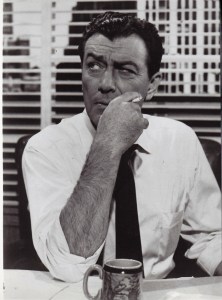 “Actually,” he explained, “TV is lot like the picture business was when I started. By that I mean that in those days we were making lots of B, C and D pictures. We made them fast and we had to make them at a price to realize any profit. And they would use anyone, whether they’d heard of him or not, including me.
The difference is that even in those B, C and D pictures, there wasn’t the rush there is in television.
“And in those days you didn’t have to be a star right away, which seems to be the case in TV. It was a long-term thing. A lot of work and planning by your studio went into it. Today you’re on your own.”
Taylor conceded that if TV wears out an actor’s welcome, he could be endangering his own almost three decades of stardom by continuing on the small screen. “Sure,” I’m gambling a little bit, except that I don’t have that much life expectancy in pictures anyway. I’ve been on borrowed time for he last 20 years—well, five at least.”


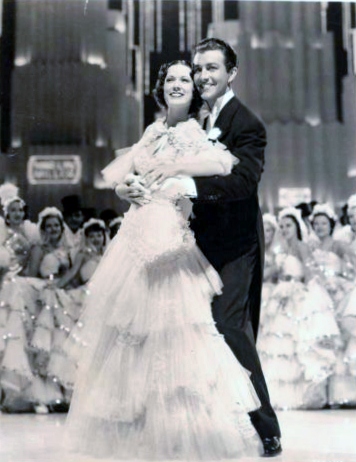






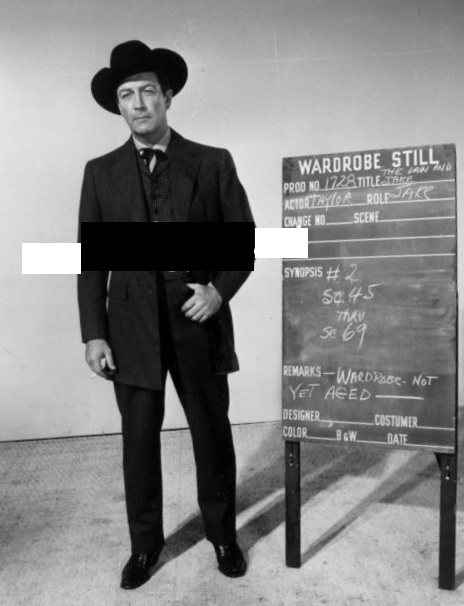


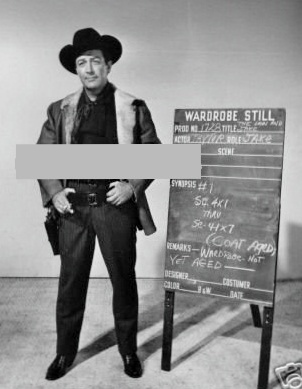

 Robert Taylor Actor