
Fighting Lady, 1944, is playing on Turner Classic Movies on September 23 at 3:30 a.m. est. Not closed captioned. Robert Taylor is the narrator.
Fighting Lady remains, along with William Wyler’s Memphis Belle and John Huston’s Battle of San Pietro, one of the finest documentaries produced during World War II. Although released by 20th Century Fox with a Hollywood soundtrack and narration by movie star Robert Taylor, the film itself includes no actors, special effects or “CGI”. All the footage was filmed as it happened by Navy personnel, often under very dangerous circumstances.
I’ve always had a soft spot for this film because my father was among the U.S. Navy cameramen who filmed it. Of course his name doesn’t appear anywhere in the credits because, like most of them, he was merely an enlisted man, and only the officers’ names were ever mentioned. He took that famous shot of that Japanese torpedo bomber flying right overhead and then crashing into the sea; as well as the one of the crewman in the asbestos fire-suit fleeing the runaway Hellcat fighter, which then crashes into the superstructure right in front of the camera. (There were no telephoto lenses in those days, the cameramen really DID get that close to the action!) Doubling as rear gunner, he flew in the planes that raided Marcus and Truk, as well as during the Battle of the Philippine Sea, and he took the pictures of the Kawanishi “Emily” flying boat being shot down into the sea. His was not the safest job in the Navy.
Considering the state of the equipment available, the quality of the film is outstanding. Color film was rare in those days, and the type available was so “slow” that it could only be used under conditions of bright light. There were no such things as cameras with automatic exposure control, so the cameramen had to judge the exposure setting and hope they got it right, often under combat conditions. Standard 35mm movie cameras were far to bulky, so all footage was taken with smaller 16mm movie cameras. 16mm film frames are 1/4 the size of 35mm film frames, so the resulting images had to be enlarged four times before they could be projected in the standard movie format of the day. That is the reason why the images often appear to be slightly fuzzy, an effect that Steven Spielberg spent a million dollars to replicate in Saving Private Ryan.
There were no such things as “camcorders”, and the movie cameras had no provision for recording sound. Consequently, all sound effects had to be added later, at the studio in Hollywood. Some time after he worked on Fighting Lady, the Navy issued my father a “wire recorder” similar to the type featured in the movie, The Two Jakes. The idea was that he would carry it with him into combat and use it to record the actual sounds of the battle while he was filming it. The recorder weighed 60 pounds and was powered by a wet cell battery, similar to the type used on motorcycles. My father had never seen anything like it and was very impressed with the technology. Unfortunately, the first place he had an opportunity to try it out was during the amphibious invasion of an island called Iwo Jima. He threw the bulky thing away as soon as he hit the beach!
Fighting Lady was very well received when it was released. One little-known aftereffect of that was that Admiral Lockwood, the commander of the submarines in the Pacific, requested that Edward Steichen’s camera unit make a similar movie on one of his submarines. My father volunteered to accompany a submarine (the USS Spot) on a combat patrol in order to determine whether the project was feasible. It turned out that it wasn’t. Conditions inside the submarine were too close and dark to film in color, and it was not possible to use additional lighting because they might blind crew members at a critical moment. In addition the submarine had to be ready to submerge at any moment, so no unnecessary personnel (meaning my father) were permitted on deck. It was a very eventful patrol, in which two enemy ships were sunk and the sub herself nearly lost. However, my father ended up with little to show for it, apart from a back injury that continued to plague him for the rest of his life.
After a very eventful war my father was invalided home from Okinawa, where he was currently serving with the 77th Infantry Division, having been wounded for the second time in the course of that campaign alone. Although he left the Navy a mere Second Class Petty Officer, his decorations included the Silver Star, the Distinguished Flying Cross, two Purple Hearts, two Presidential Unit Citations, the Submarine Combat Pin and the Asiatic-Pacific campaign medal with 12 campaign stars.
He sometimes used to comment about how often those old films would be shown, of Kamikazes crashing headlong into ships or Marines landing on Pacific beach heads, in documentaries or as stock footage in movies, and yet it seldom occurred to the viewers to wonder about the men who photographed them. Review for the IMDb by Robert Guttman, Tappan, New York.

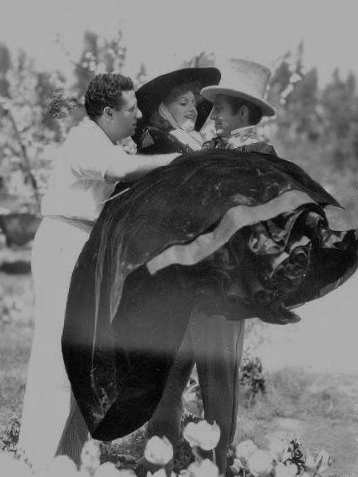
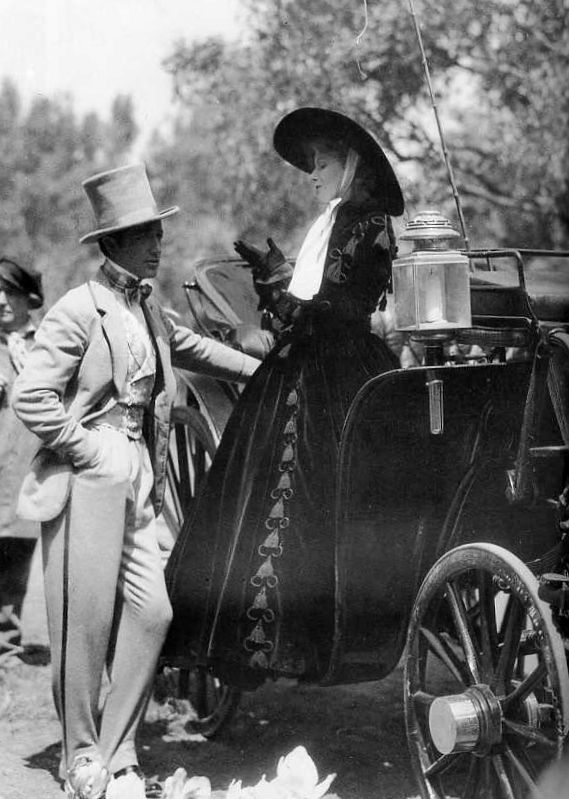
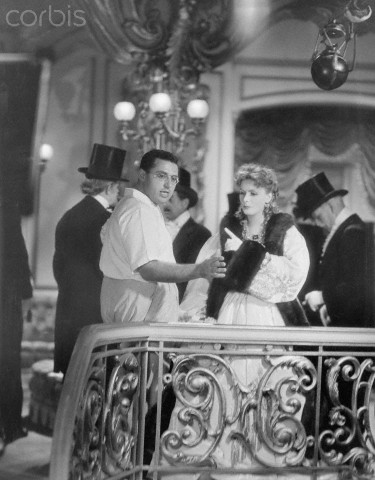
 This film further proves that the assembly-line system of Hollywood studios back then should also be taken seriously in terms of artistry. Just because movies were produced run-of-the-mill doesn’t mean that they weren’t paid critical attention to by their makers. The usual impression on studio-era Hollywood is: take a formulaic narrative style, maybe adapt a stage play for the screen, blend in a handful of stars from the stable and the films rake in the profit at the box office. Not quite, that’s the easy perception. George Cukor, another of those versatile directors, made it apparent with Camille that filmmaking as an art may still flourish despite (and even within) certain parameters. Camille is beautiful, in so many respects. And it’s not just because of Greta Garbo.
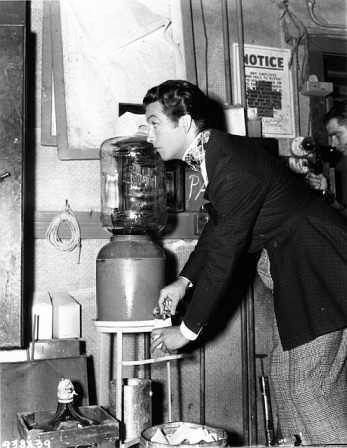
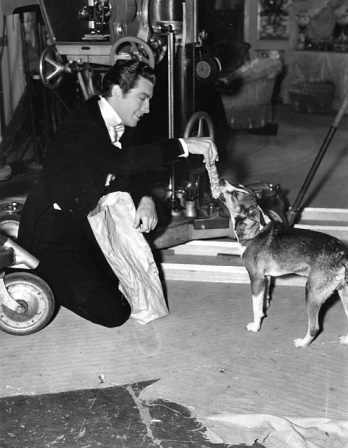


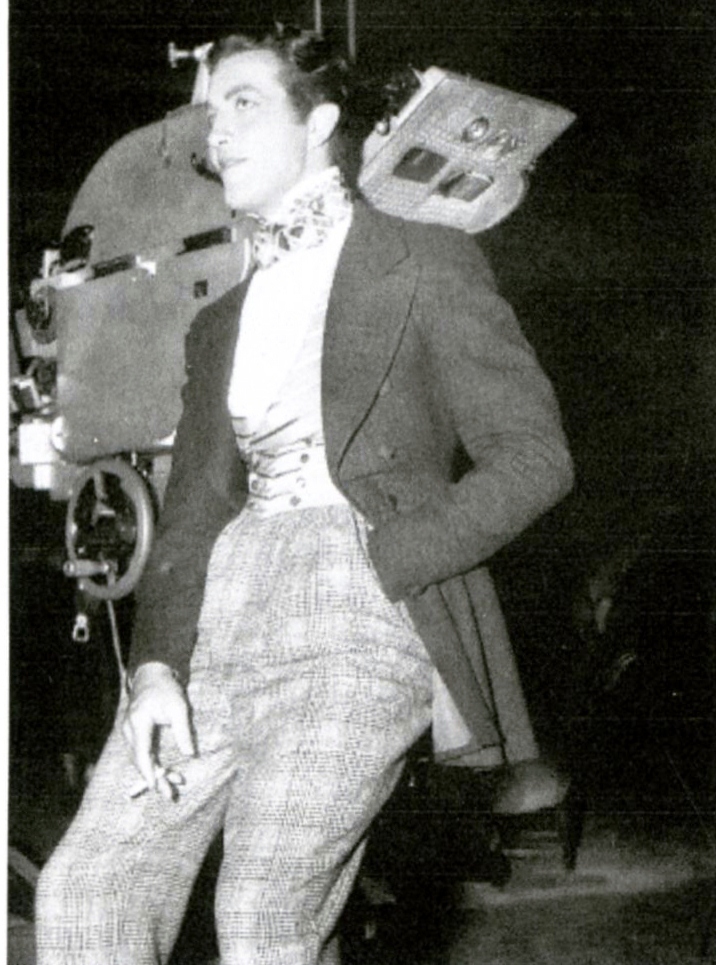
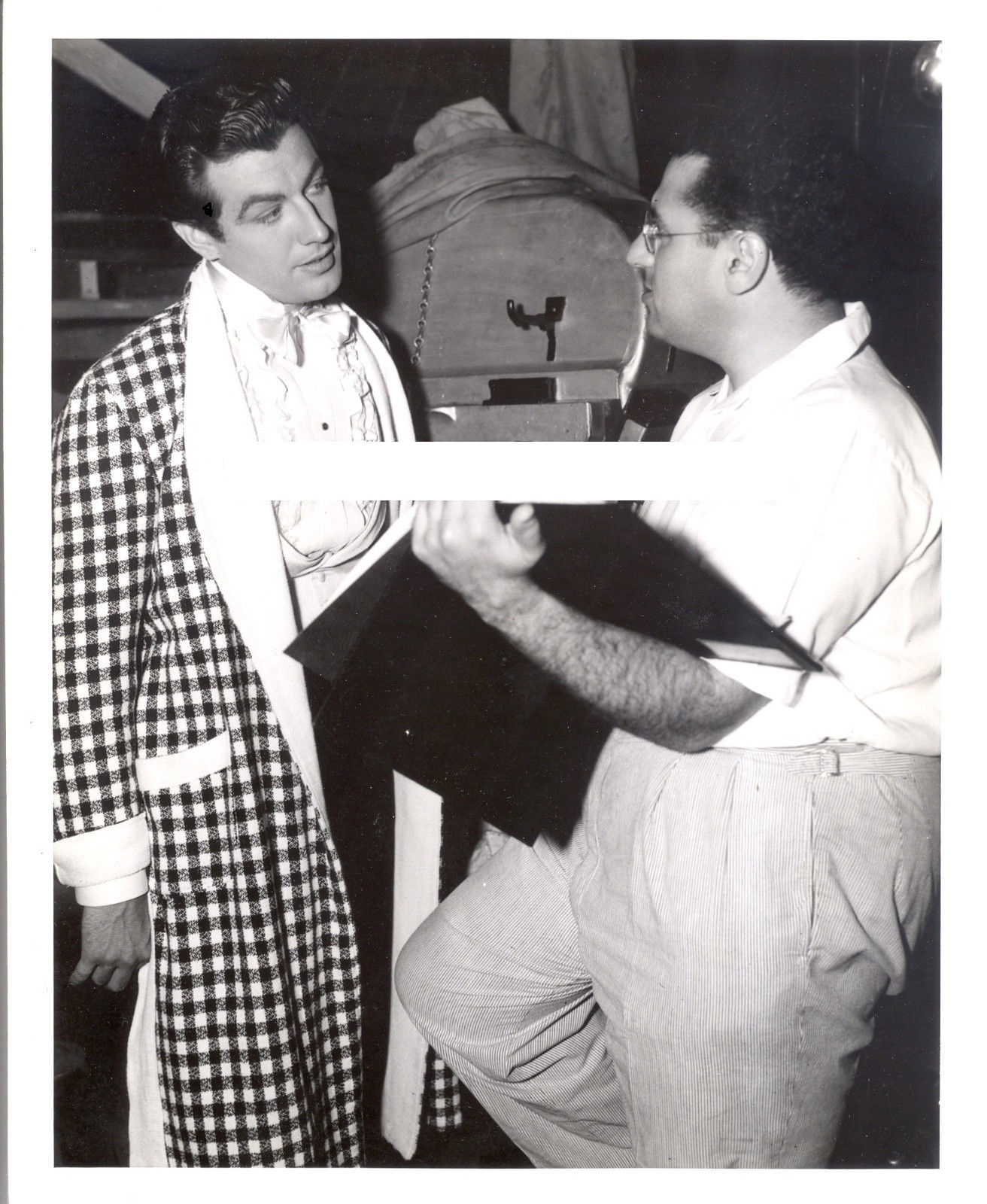




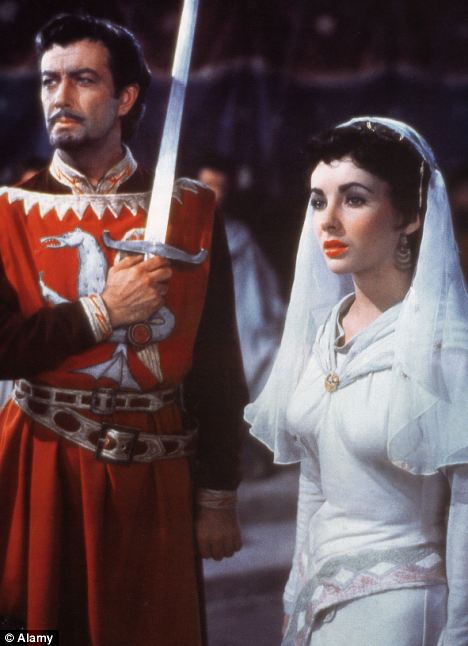






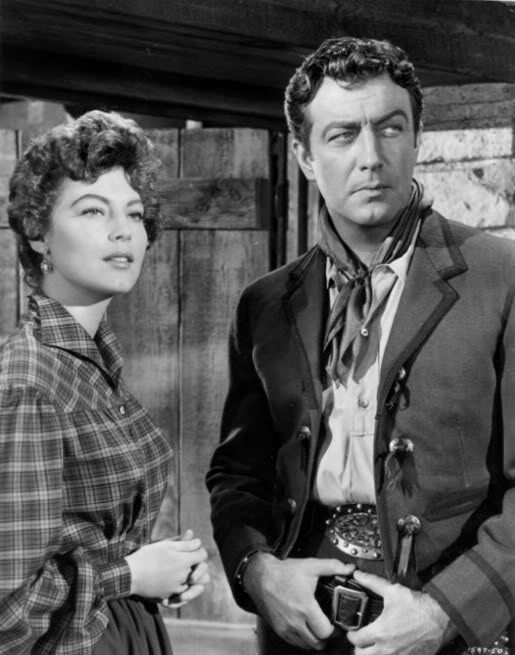



 Robert Taylor Actor