
 The information and quotations below come from Bernard Eisenschitz, Nicholas Ray: An American Journey, University of Minnesota Press, 1990.
 In 1958 Nicholas Ray signed a contract with Euterpe, a Joe Pasternak company attached to Metro-Goldwyn-Mayer, to make Party Girl. The script had undergone seven or eight revisions from a story by Leo Katcher. Ray was presented with his two stars, Robert Taylor and Cyd Charisse and a complete group of sets, done in 1957 from an earlier version of the script. Shooting began on March 10, 1958.
Unfortunately, things were delayed by Cyd Charisse’s lengthy illness, which cost the studio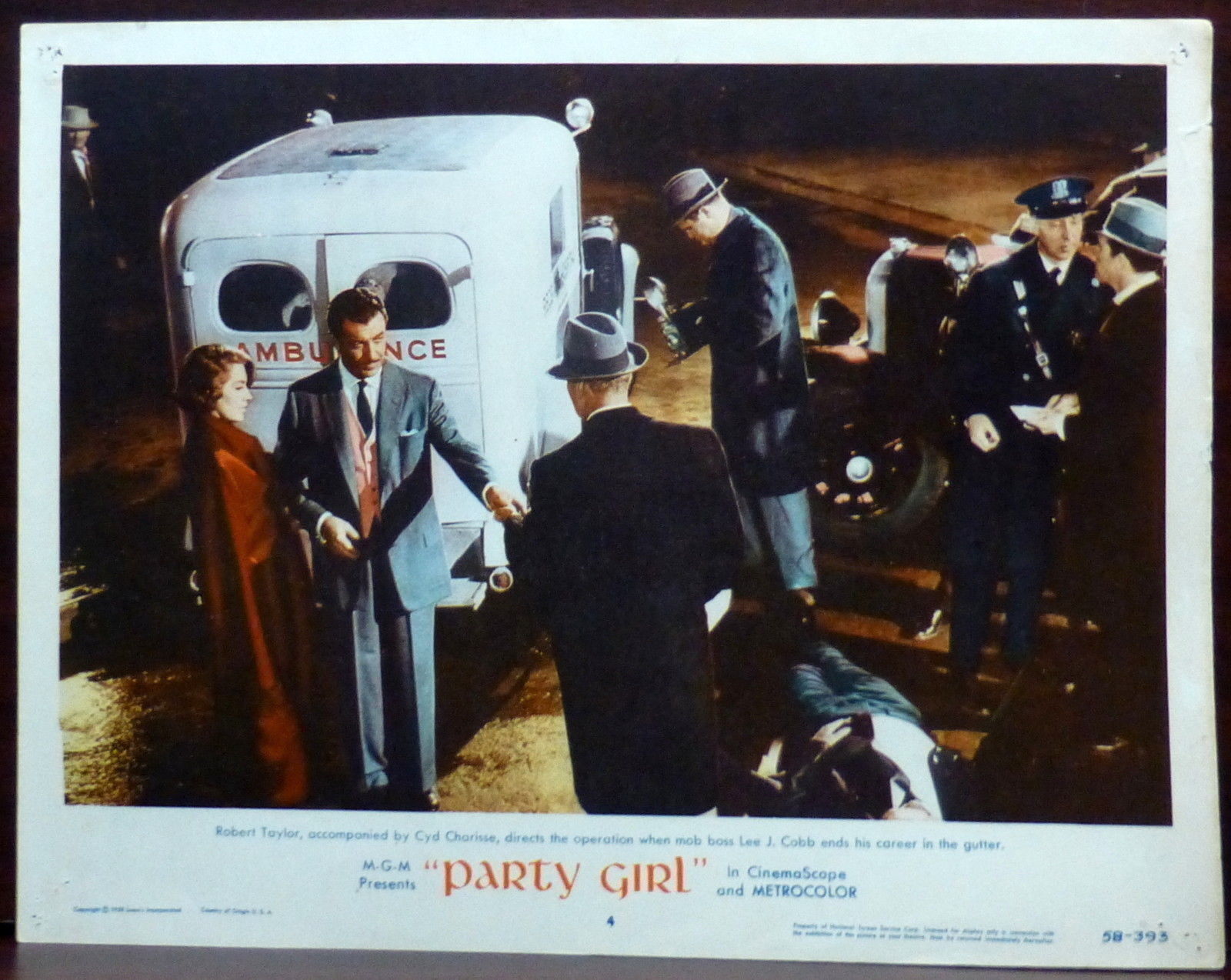 $26,681 (page 537). Next was a musician’s strike:
“To get around the difficulties caused by the strike, choreographer Robert Sidney left for Mexico, where he rehearsed the two numbers with doubles. They were finally shot without sound between 10 and 22 July, with fake trumpet players, a piano accompaniment, and bongo drummers, after which, once the strike was over, Andre Previn–uncredited–composed the score. (pages 341-342).
“Anxious to fit in with the studio style, Sidney did not get on well with Ray. A natural alliance formed between producer, female lead and what Ray described as this ‘very efficient’ and ‘very dull’ choreography.” (page 342)
 Filming took 42 days, six over schedule. The initial budget was 1,648,616. The final cost was $1,695,491 plus $44,775 for post production work.
“The cast held some pleasant surprises for him. He was unable to break through Cyd Charisse’s impassivity. To justify his belief in her as an actress, he tried in vain to persuade the front office to let him do a confrontation between her and Lee J. Cobb. Failing this, he invented images or bits of business for her: her red dress against a sofa of a different shade of red, droplets of water glistening on her face after she buries it in a bunch of roses, the moment when she drops her fur coat as she walks towards Taylor.” (pages 342-343).
Cyd Charisse, talking to Jean-Claude Missiaen (French writer
and director), spoke about his (Ray’s) absences but also about his vulnerability and his strangeness, what she saw as unfathomable direction like ‘taking roses and inhaling deeply, as though you were inhaling a joint.'” (page 342)

Robert Taylor had been a star since the 1930s and proved his versatility in over sixty films. 1958 was a good year for him. He made Saddle the Wind and The Law and Jake Wade as well as Party Girl.
“Robert Taylor…is handled with sympathy, discreetly and intelligently directed so as to use both his strengths and his weaknesses. The signs of aging (Taylor was born two days before Ray), an actor’s vanity, his tiredness, are evident. ‘My first image of Taylor,’ Ray told Peter van Bagh, ‘dates from the 1930s. I was working in a mining area in southwest Pennsylvania, where most people had been laid off recently and nearly everyone lived in poverty. I went to a cinema in a town nearby and first saw the favorite actor of the day, Paul Muni. My impression was that he was always playing in front of a mirror. Then came Camille and Robert Taylor, pale, handsome, remote. Two decades later, I saw Taylor working for me like a true Method actor.’ Since childhood, Thomas Farrell has suffered from a crippled leg
which he exploits theatrically. ‘I wanted Taylor to feel the injury, so that he could be aware of what part of his body he pain was in at all times when he moved.’ Ray took him to see an osteologist from whom he had once received treatment and the actor won Ray’s admiration by the professional thoroughness with which he examined X-rays and questioned the specialist. [Note: Mr. Taylor’s father was an osteopath.] ‘After that, he needed no kind of aid to create his limping. It is only very rarely that you find this kind of ambition, sensitivity and humbleness which Taylor stood for.” (page 343)


The following is from Linda Alexander: Reluctant Witness, Robert Taylor.Hollywood and Communism. 2nd edition, Bear Manor Media, 2016, page 342
“[Robert Taylor] had a formula to decide how to pick his projects. ‘The play’s the thing,’ he stated. ‘The one thing I don’t look for is Robert Taylor stories. I fit myself to the part, not the part to me.’ This became fully evident after twenty four years, he stepped out of MGM’s shadow…….one of the few remaining senior executives said, ‘In all the years he worked on this lot, he never once behaved like an actor.'”
Cyd Charisse enjoyed working with Robert Taylor. The following is from Charles Tranberg, Robert Taylor, a Biography, Bear Manor Media, 2011, page 292.
“From Rock Hudson to Robert Taylor, I worked with two of the handsomest–and nicest–of men in successive pictures. Party Girl, which I did with Bob, was a good role for me and a good
picture…I had known Bob Taylor before because he was good friend of Tony’s [her husband, singer Tony Martin]. He was a very pleasant man, but kept himself aloof on the set, just palling around with his own cronies. He drank coffee all day long and chain smoked. I have a hunch that, around four or five, there was something in the cup besides coffee. It didn’t affect him; he was always a gentleman on the set and a thoroughly professional artist.”

The film did well at the box office, earning MGM a profit of $454,000 ($3.83 million in 2017), according to studio records. The film pulled in a higher gross overseas than in the USA and Canada, a rare event for the time. (IMDB)
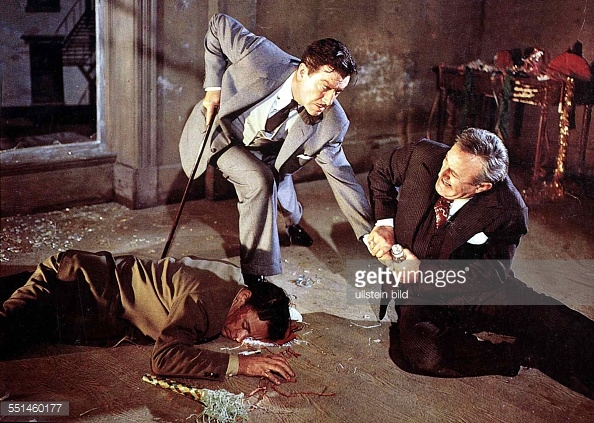
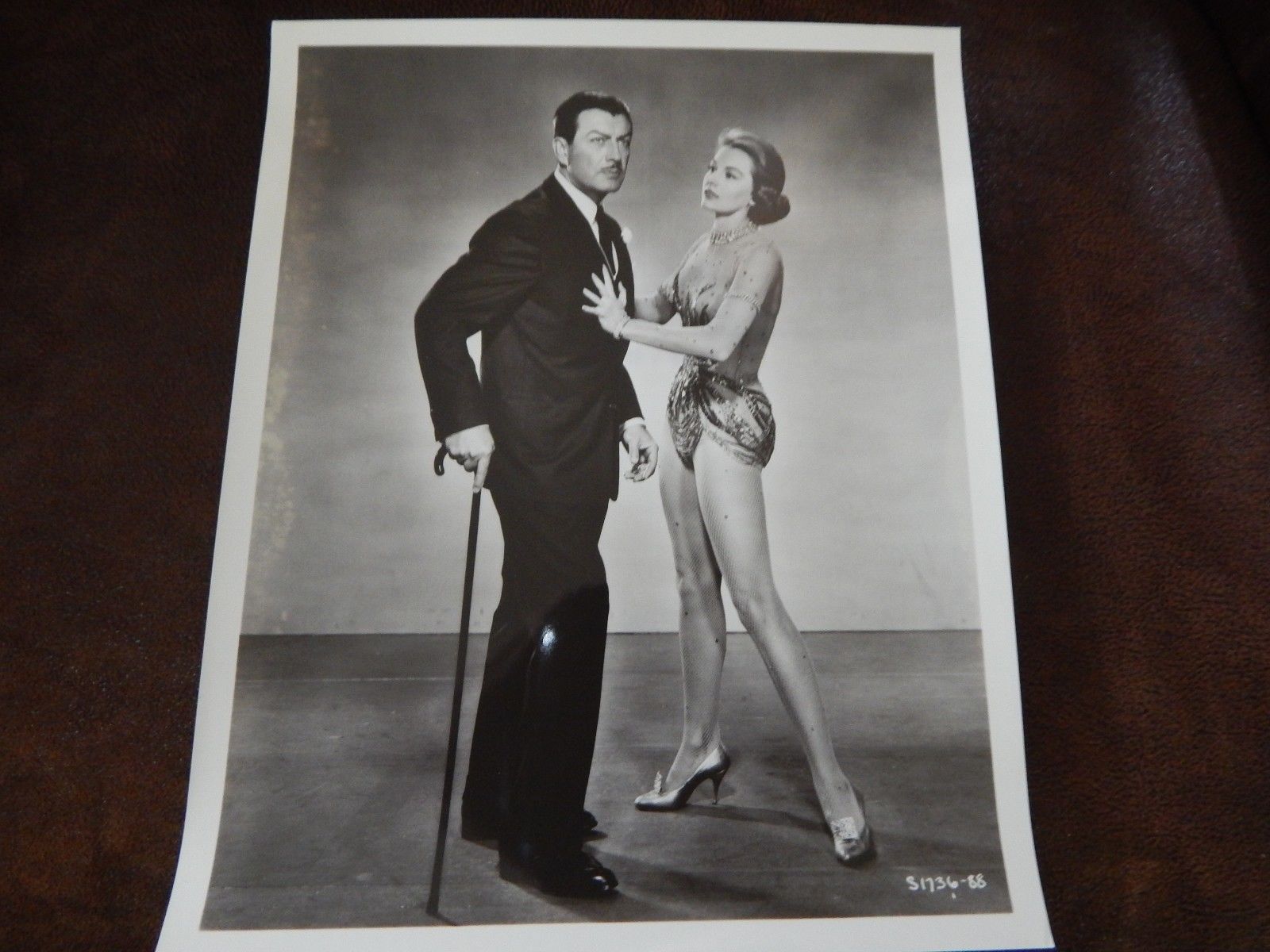
Some promotional materials for Party Girl:
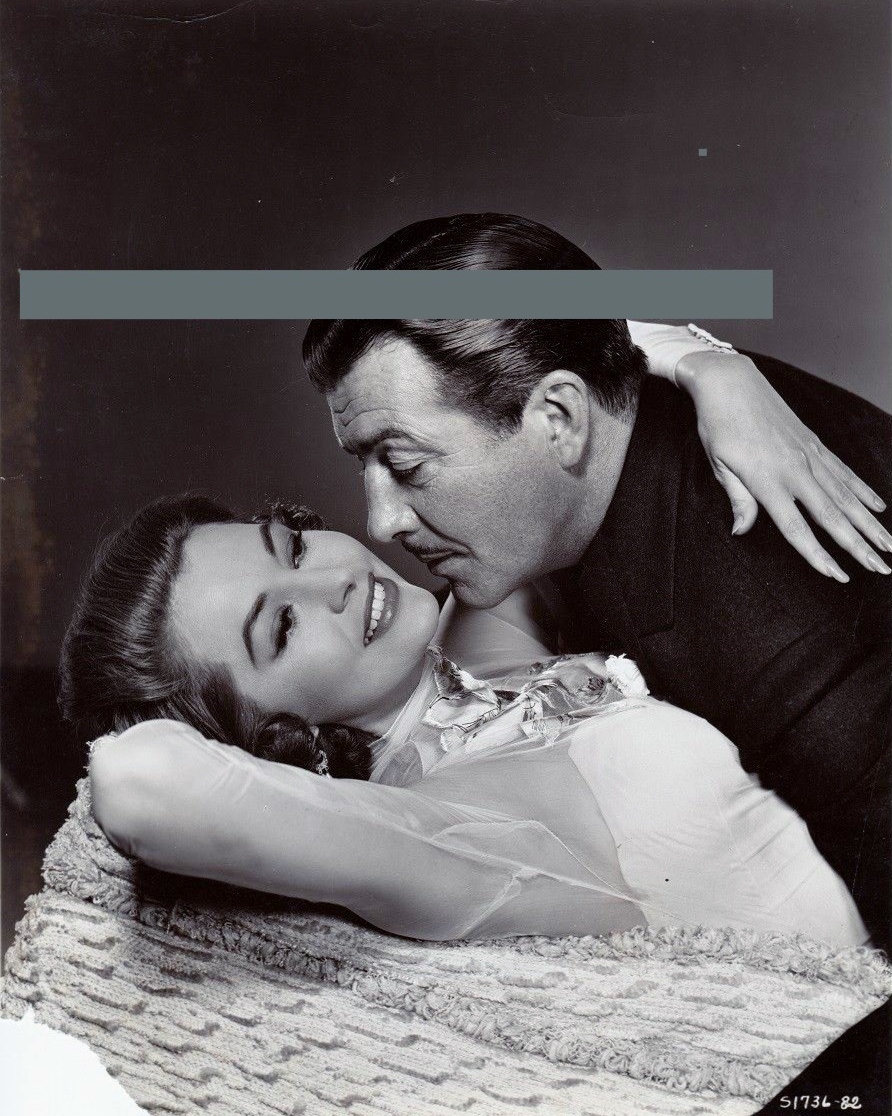
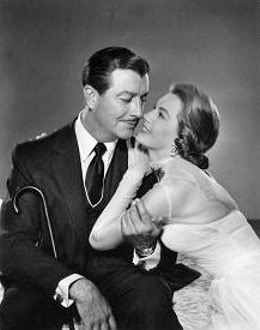
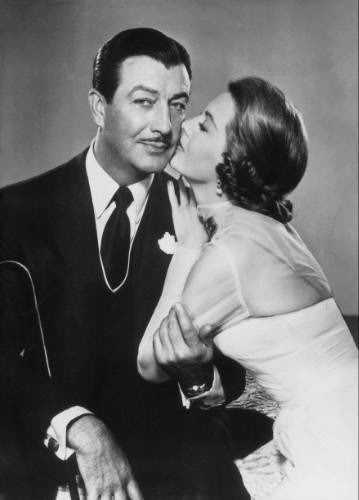

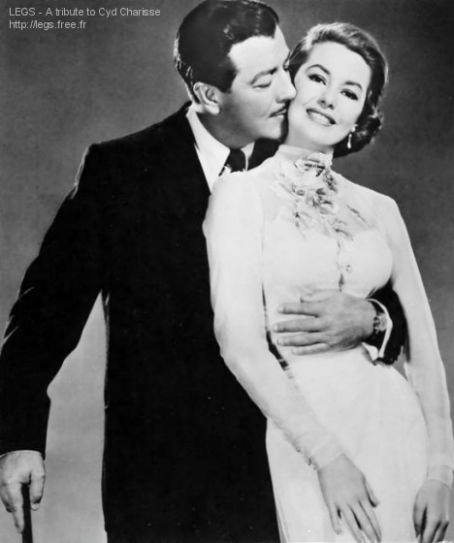

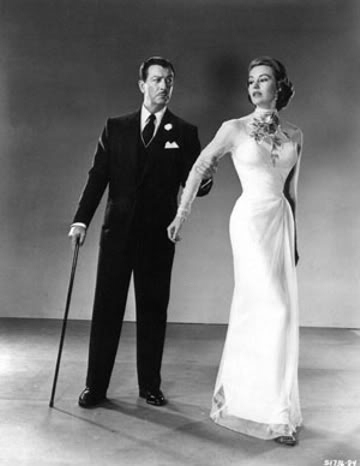

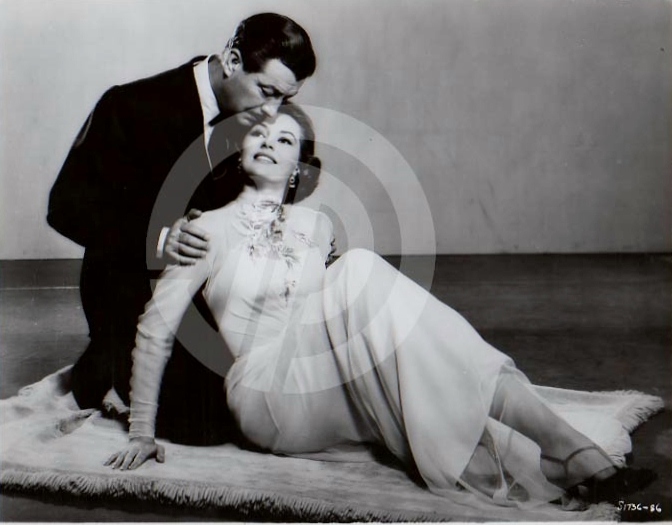


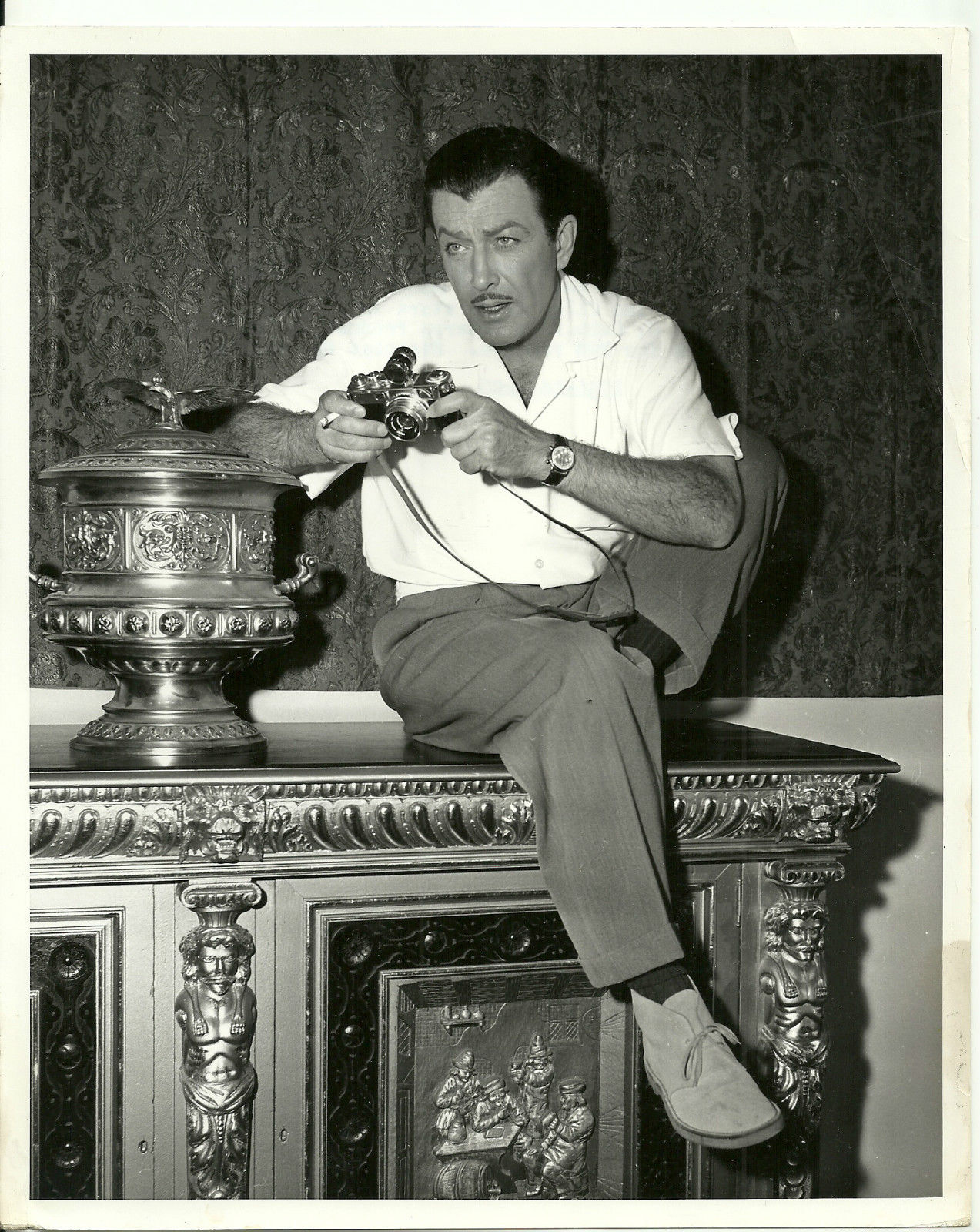
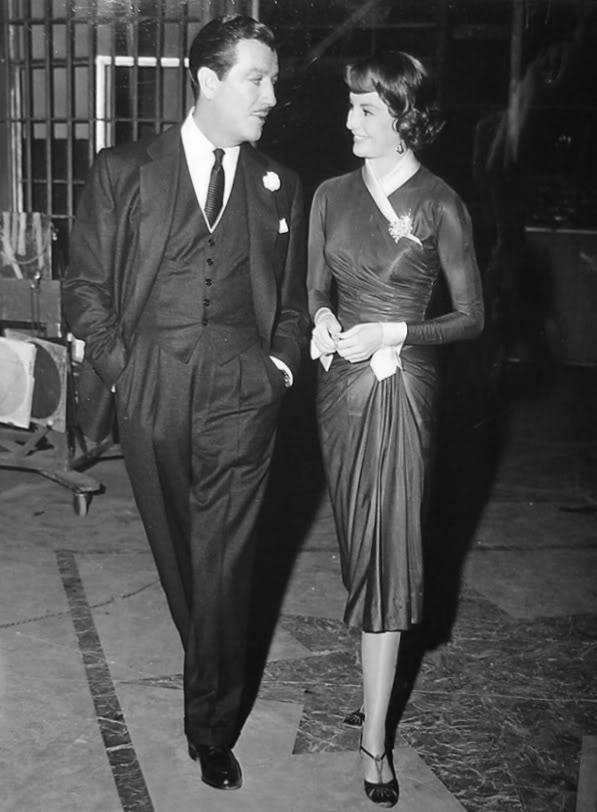
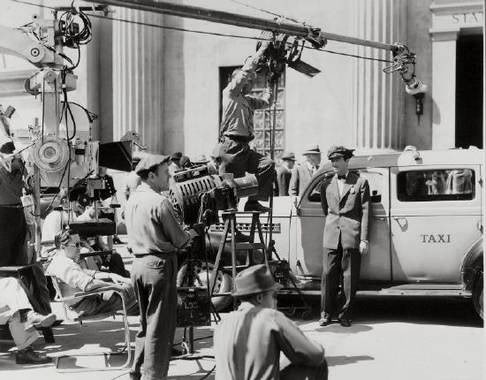
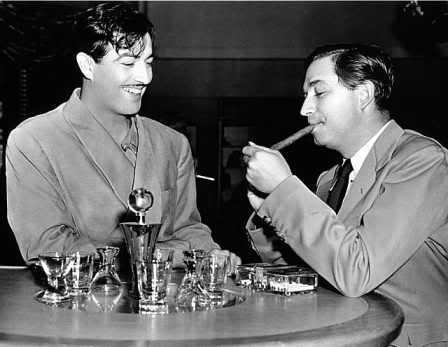
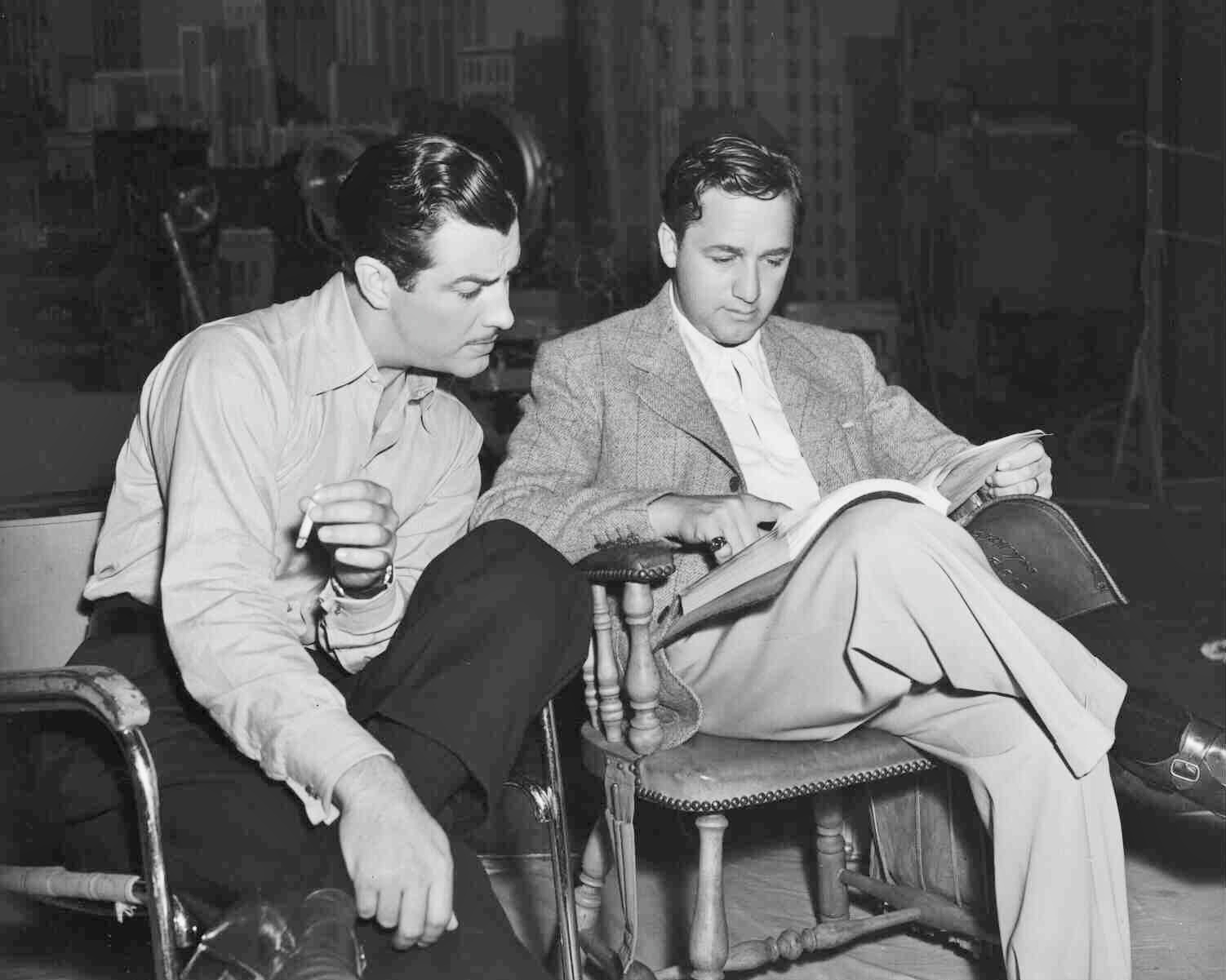
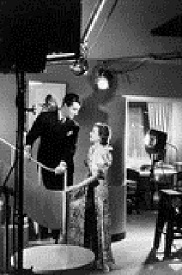
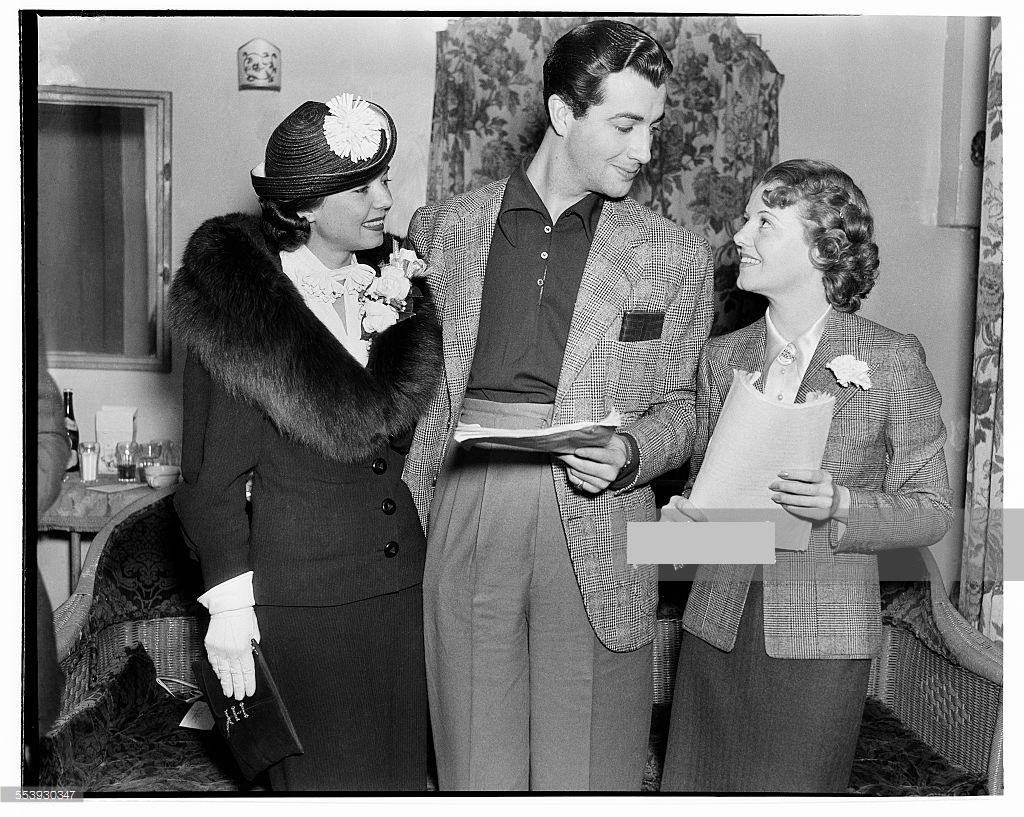
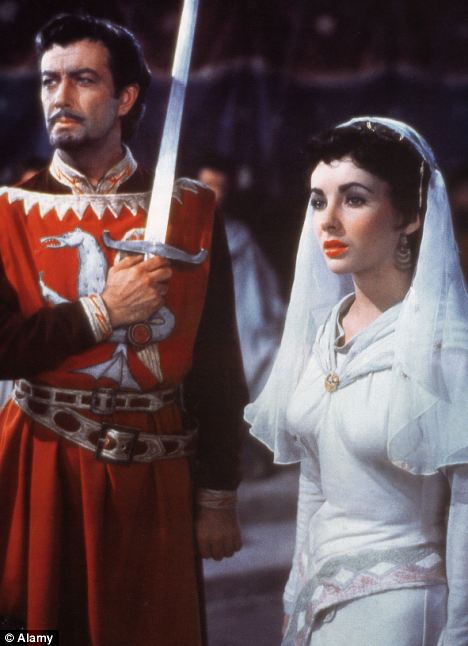
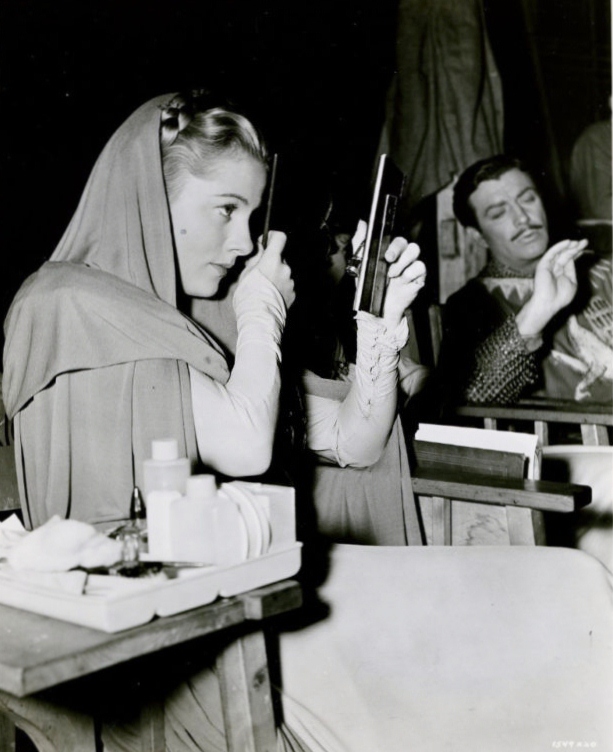
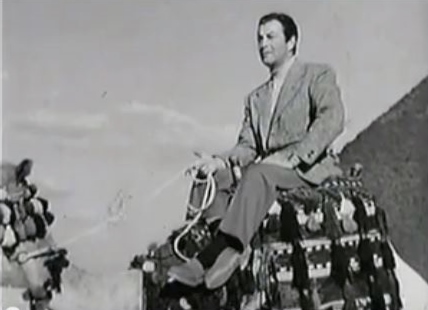
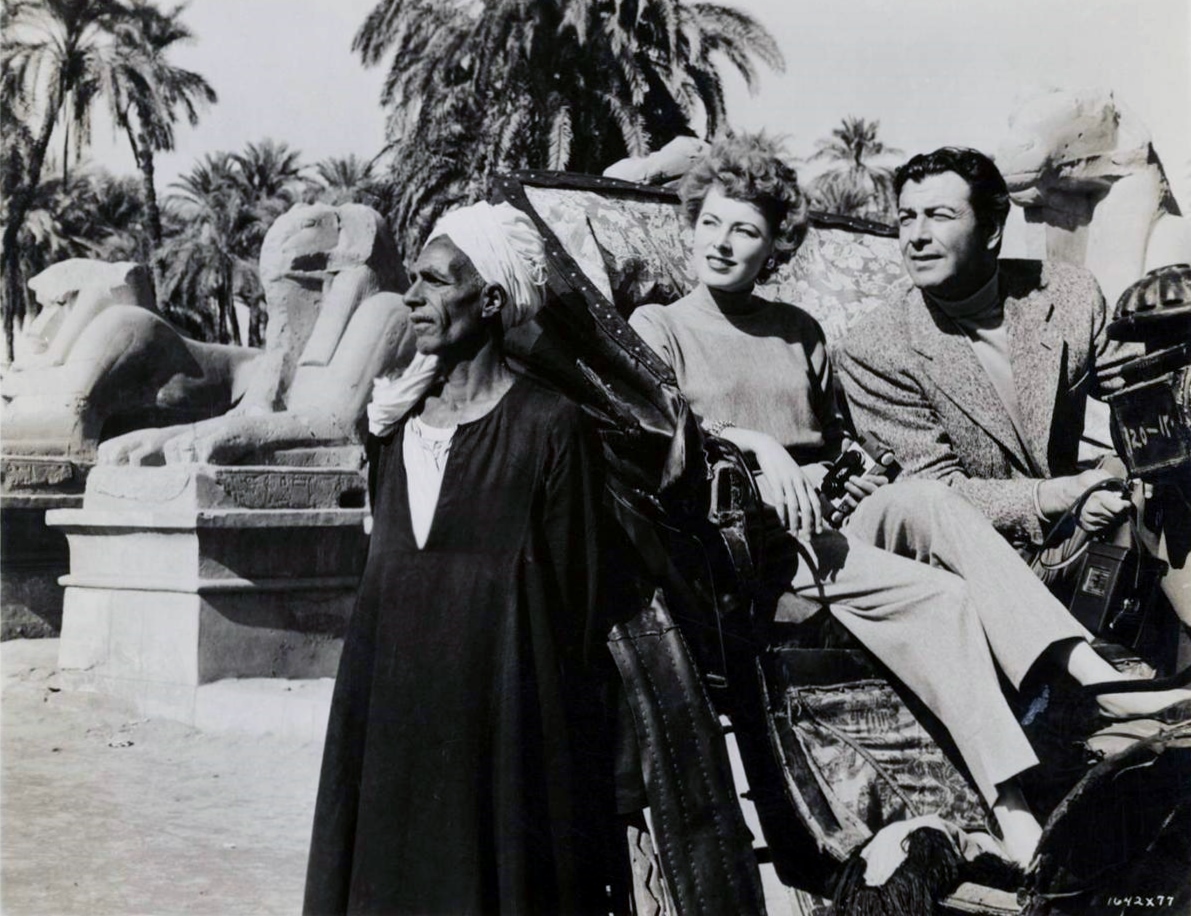
Some behind the scenes shots:















 Robert Taylor Actor