D-Day the Sixth of June (1956) Is Playing on Turner Classic Movies on Saturday, May 23 at 2:00 p.m. est. Not Closed Captioned.
 Viewers who want an all out action war movie with guns blazing and corpse strewn landscapes should avoid D-Day the Sixth of June. Released in 1956, the film looks back somewhat nostalgically at a war that was already beginning to fade into history. The world depicted seems remote as few people today have actually experienced total war. Today War World II has taken its place in history as the necessary war, the unquestioned war, unlike most of what has happened since—Vietnam, the Gulf War, Iraq and Afghanistan.
The movie explores large issues on a small scale. It follows a small number of individuals and how their lives were impacted by the war during the months preceding the Normandy invasion. There is an elderly British Brigadier who has been left behind by modern warfare, a car salesman from Minneapolis who wants to be a general, a publisher’s son-in-law invalided into a desk job, a British career soldier and a young woman from a sheltered background doing her part in the conflict.

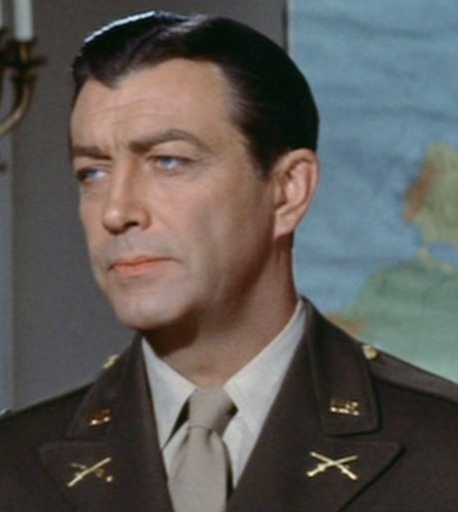
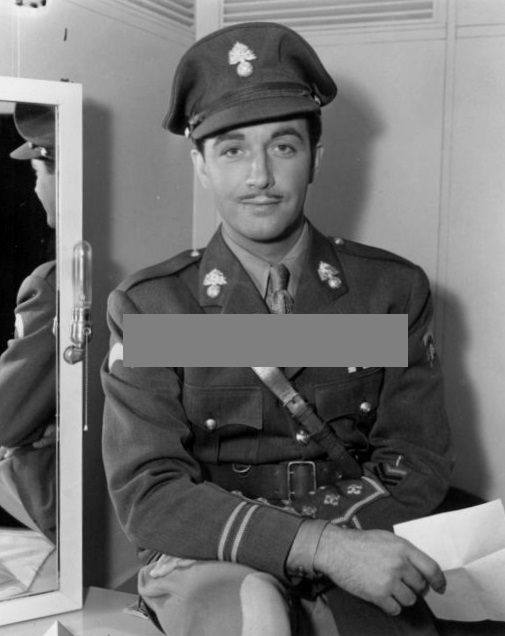
Robert Taylor as Captain Brad Parker.
The movie covers a number of themes including British American relations in the last year of the war, the dislocation of normal morality in wartime, the war-weariness of the British population as they hold out for yet another year of suffering. Behind all of it is the war, huge, bloodthirsty and seemingly endless. Everything is impacted—steaks are horse meat, cigarettes are a rarity, nights are pitch black with all light forbidden, sirens blare day and night.
The protagonists are Captain Brad Parker (Robert Taylor), an American who broke his leg on a parachute jump and has been relegated to desk work, Major John Wynter, a heroic British commando (actual war hero Richard Todd) and Valerie Russell (Dana Wynter), the young woman who comes to love them both. Supporting characters include Major Timmons, a volatile car salesman (Edmund O’Brien) and Brigadier Russell (John Williams), Valerie’s father, who is filled with bitterness over the end of his career.
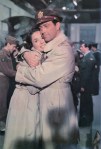
Dana Wynter and Robert Taylor.
Parker is a married man from New England who has been away from his wife for over three years. Wynter and Valerie Russell are friends but not quite lovers. When Wynter is posted to Africa, Parker and Russell remain in London and become friends and then lovers. She is torn between her feelings of friendship and obligation towards Wynter and her exciting new American lover.
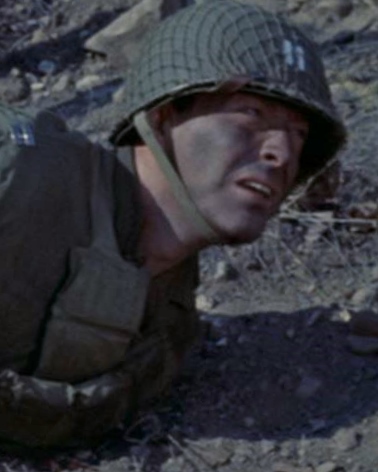
Eventually both Parker and Wynter take part in the Normandy invasion. The last fifteen minutes or so of the movie concern the battle itself which seems tame by modern standards. The lives of both men are changed forever by the events of June 6, 1944. There is no happy ending for most of the characters, no neat solutions to the complications of human life against the background of imminent death.
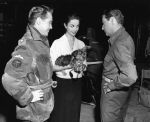
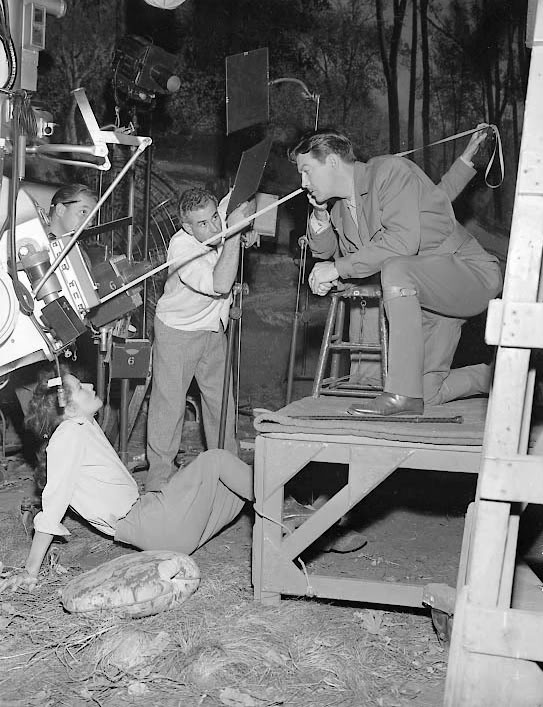
On the set: Richard Todd, Dana Wynter and her dog, Robert Taylor.
There are overtones of Waterloo Bridge (1940) in D-Day the Sixth of June. A romance between two very different people against the backdrop of war is central in both films. Robert Taylor is the male lead in both, wearing his signature trench coat each time. Neither has a happy ending. But there is an innocence to the earlier film that has been replaced by a kind of exhaustion in the latter. Most of the main characters spend their time living in a phoney world of hedonism. A character at one point speculates about what they’ll all be doing after the war. “Going back to our husbands and wives,” another replies.

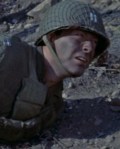
About to hit the beach.
D-Day the Sixth of June is well acted and has good production values. Henry Koster’s direction is crisp and tight. Robert Taylor and Dana Wynter are compatible and their clinches are convincing. Most of the time Taylor convinces us that he is younger than his actual years. He moves like a man more youthful than 45. Richard Todd is the good guy, loyal and self-sacrificing. Edmund O’Brien is outstanding as the volatile Col. Timmons. The supporting cast is first rate. D-Day the Sixth of June is a thoughtful film, looking back at a crucial part of what was then recent history. Even at a distance of almost 60 years, the human dilemmas portrayed here are relevant and timely.
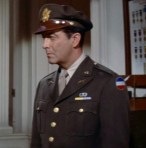
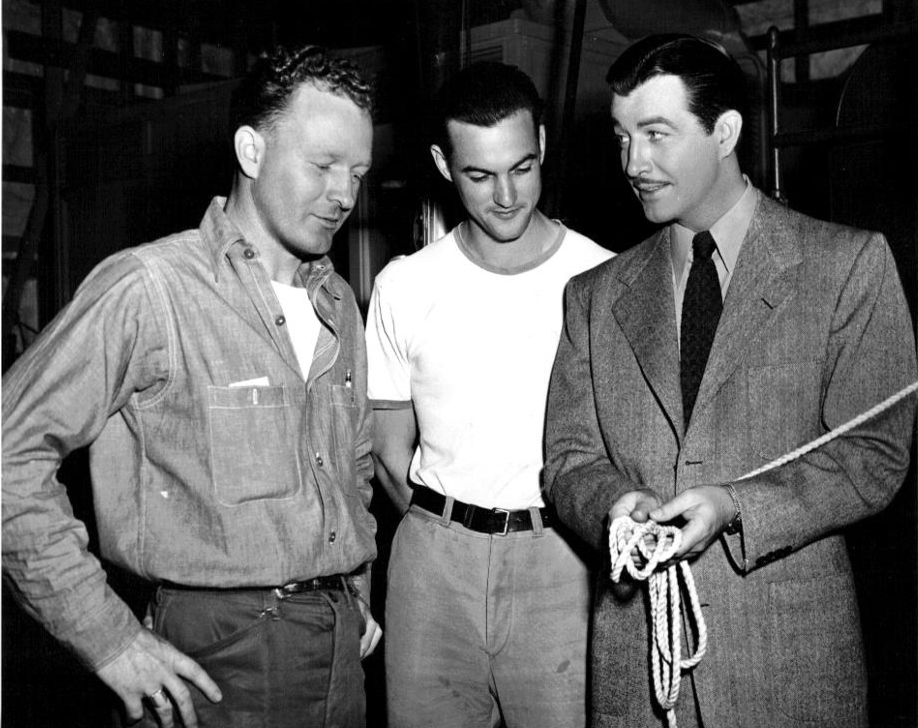
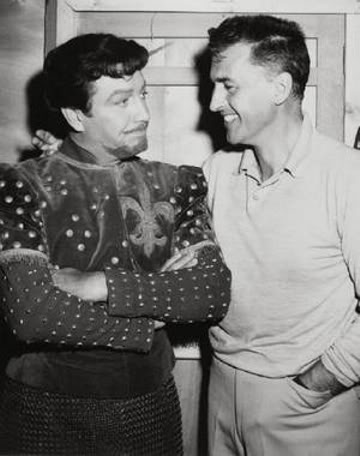
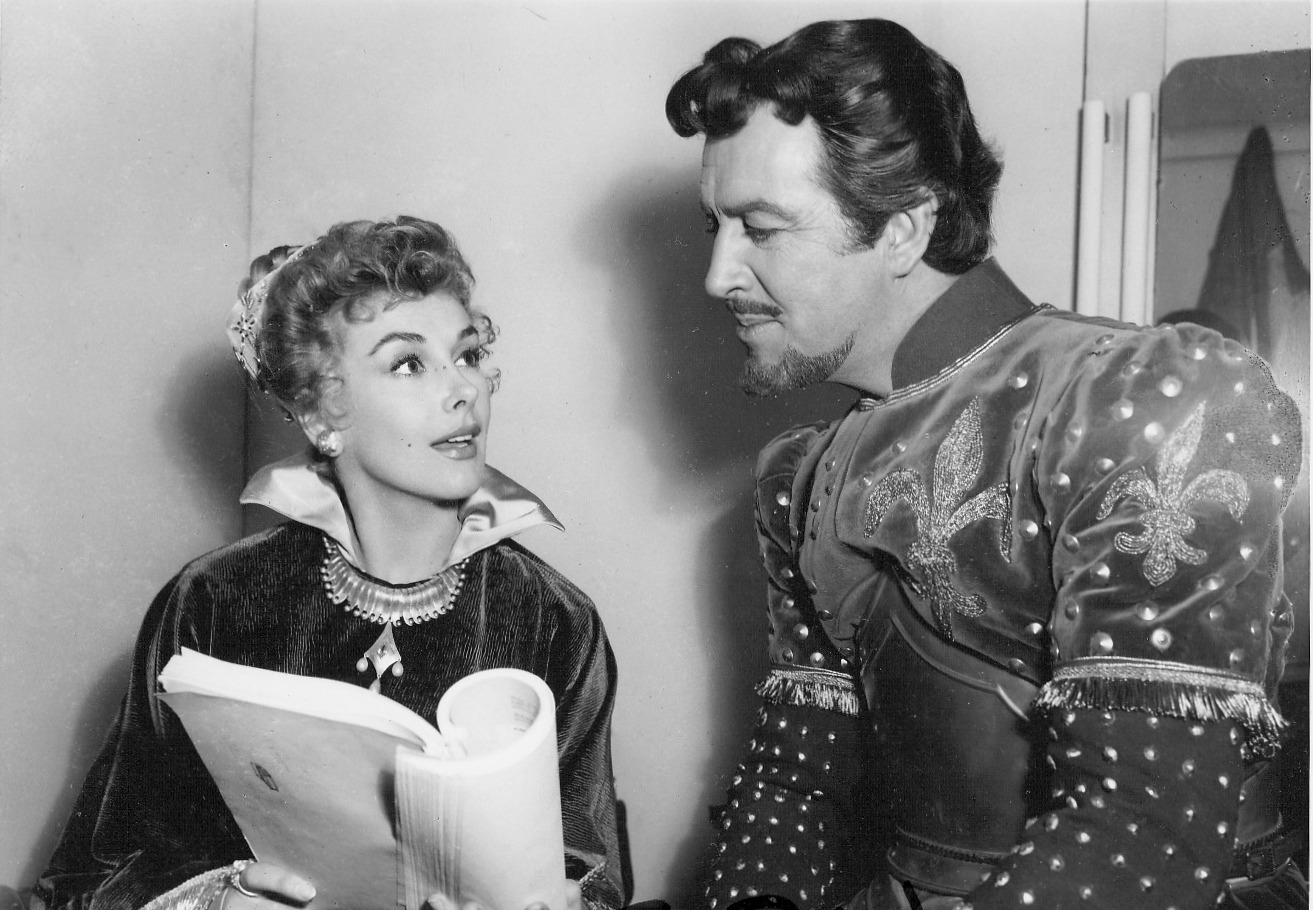
More images from D-Day the Sixth of June




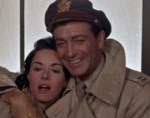


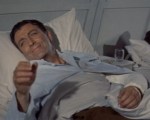


 Waterloo Bridge, 1940, is playing on Turner Classic Movies on Saturday, May 23 at 10 p.m. est. Closed Captioned.
This was both Robert Taylor’s and Vivien Leigh’s favorite film. Waterloo Bridge cost $1,164,000.00 to make and made a profit of $491,000.00.
 Robert Taylor was an inspired choice for the role… Not only does he have an imposing screen presence, but he brings the perfect mix of enlightenment, humor, compassion and emotion to the part…
Opposite him, Oscar Winner Vivien Leigh, perfect in her innocent lovely look, radiantly beautiful, specially that evening in a trailing white chiffon gown… Leigh floods her role with personal emotion giving her character a charismatic life of its own… As a great star, she delivers a heartfelt performance turning her character into a woman who undergoes an emotional awakening…
In this sensitive motion picture, Mervyn LeRoy captures all the tenderness and moving qualities… He makes every small thing eloquent, concentrating the highly skilled efforts of many technicians on the telling of a very simple bittersweet love story… Vivien Leigh paints a picture that few men will be able to resist… Her performance captures the audience to the point of complete absorption… Robert Taylor (carrying sympathy all the way) quietly throws all his vitality as an ambitious actor into the task… Their film, a credit to both, is a heavily sentimental tale about the vagaries of wartime…
Love is the only thing this movie is about… The story is simple: Myra Lester (Leigh) is a frail creature, an innocent young ballet dancer and Roy Cronin (Taylor) is an aristocratic British army officer… When their eyes met it took no time at all for their hearts to feel the loving call… They meet on London’s Waterloo Bridge during an air raid, and fall deeply in love… Their romance is sublime, and they soon agree to marry…
The lover’s marriage has to be postponed when the handsome officer is suddenly called to the front… Sadly, the sweet ballerina misses her performance to see her captain off at Waterloo Station… Fired from the troupe, she is joined by her loyal friend, Virginia Field (Kitty Meredith), and the two vainly try to find work, finally sinking into poverty and the threatening fear that goes with it…
The film is replete with beautiful and poignant scenes, specially the ‘Auld Lang Syne’ waltz scene in the Candlelight Club, before Taylor leaves for France…
Seen today, Waterloo Bridge has retained all its charm and power, all its rich sentiment, and tragic evocations… Review by Righty-Sock (robertfrangie@hotmail.com) from Mexico for the IMDB.
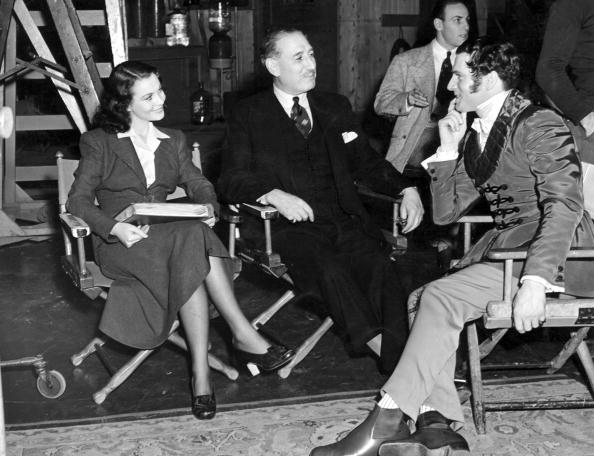
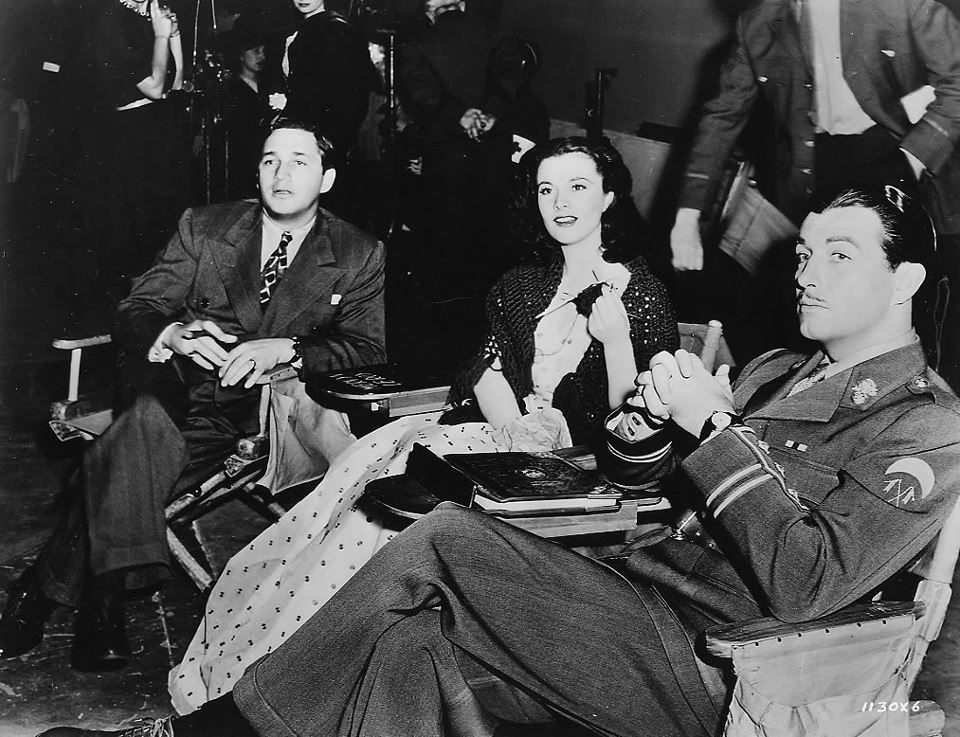
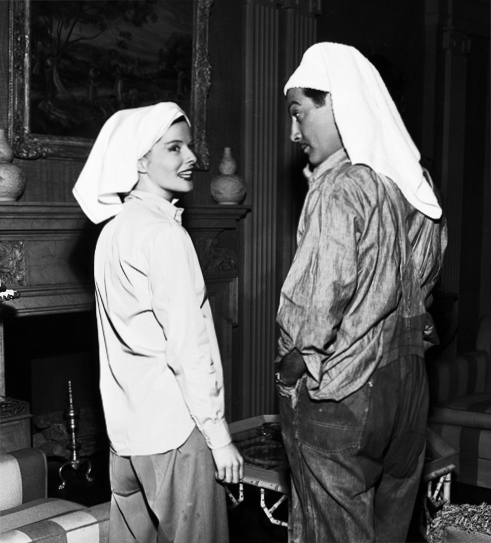
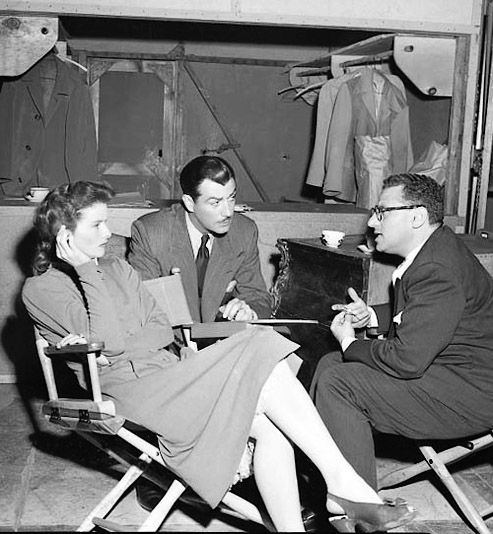
 Some behind the scenes photos:


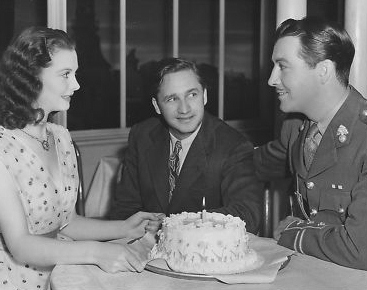
Left to right: Vivien Leigh, Sir Victor Sassoon, Laurence Olivier; Director Mervyn LeRoy, Ms. Leigh, Mr. Taylor: Mr. Taylor, Mr. LeRoy, Ms. Leigh


Left to right: Robert Taylor, Vivien Leigh; Mr. Taylor; Ms. Leigh, Mr. LeRoy, Mr. Taylor


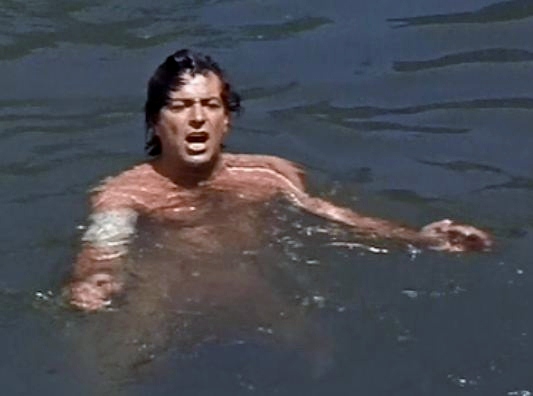
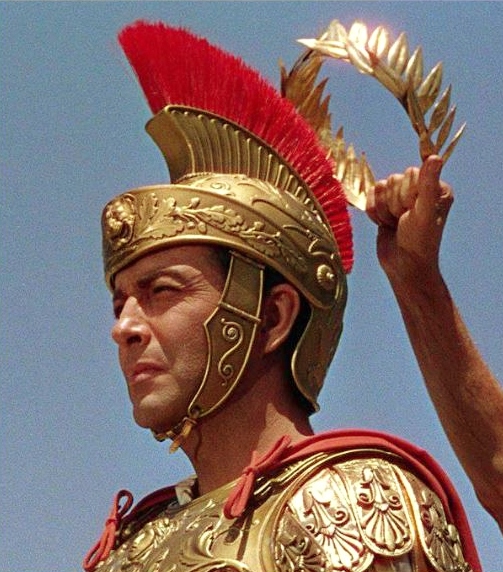











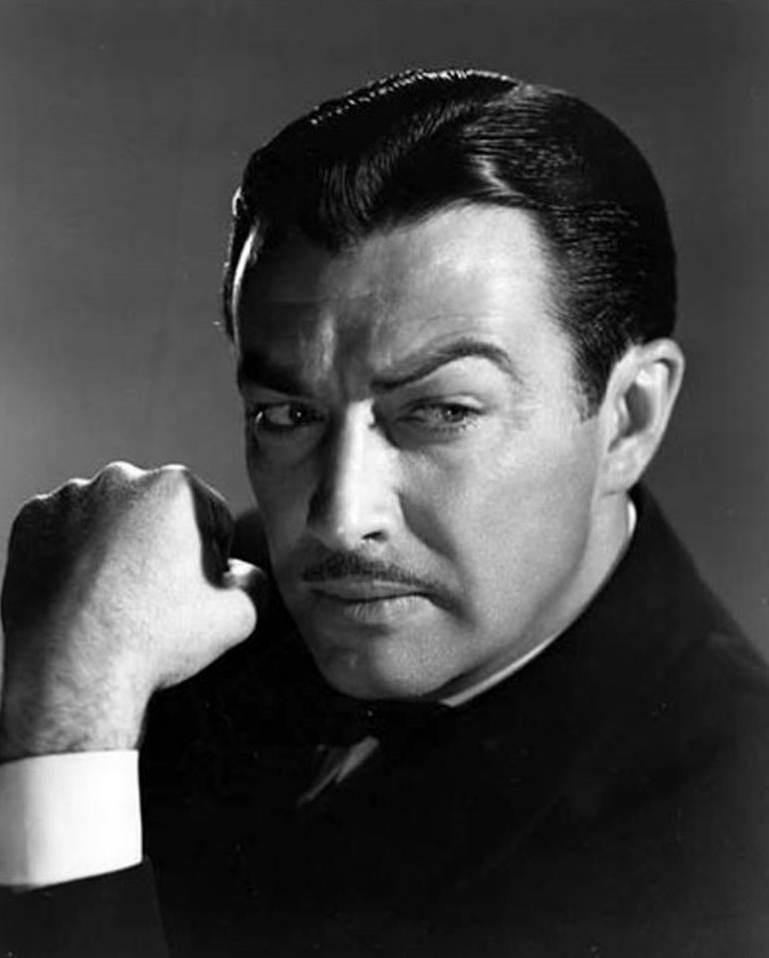





 Robert Taylor Actor