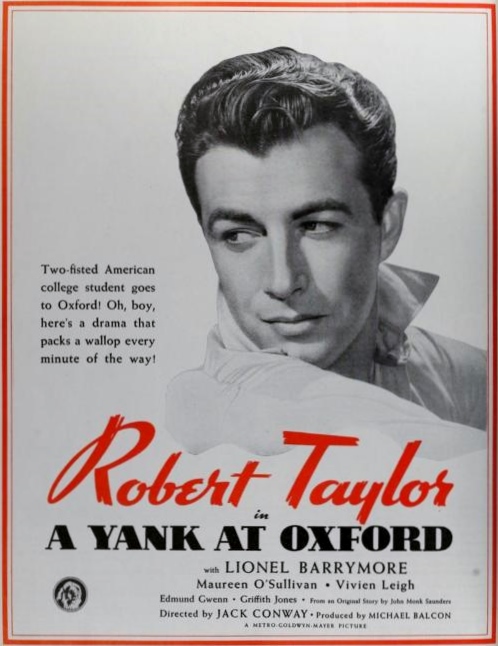
A Yank at Oxford, 1938, Is Playing on TCM on November 24 (USA)

A Yank at Oxford, 1938, is playing on Turner Classic Movies on Tuesday, November 24 at 2:30 p.m. If they were only going to show one Taylor film in November, this is a good choice. Mr. Taylor is excellent as a cocky young American off to study at Oxford and eventually finds the goodness within himself.

RT6528

A Yank at Oxford is one of several films intended to “toughen up” Robert Taylor’s image after his success in a number of boudoir romances. Taylor plays Lee Sheridan, a college boy who has been spoiled rotten by his newspaper owner father, played by Lionel Barrymore. Father Sheridan’s habit of holding the presses for Lee’s latest athletic triumph has only contributed to the boy’s swollen head.

Despite his lack of academic focus, Taylor is offered a place at Oxford. Upon his arrival, he immediately encounters a group of his fellow students, who begin a campaign to humiliate him. He also meets the leading lady, Maureen O’Sullivan.

The rest of the delightful and humorous picture focuses on the relationships among three people: Taylor and O’Sullivan, boyfriend and girlfriend; Taylor and Griffith Jones, his leading tormentor; O’Sullivan and Jones, brother and sister. A nymphomaniac Vivien Leigh adds spice to the mix.

A Yank at Oxford allows Robert Taylor to show that he is not only a fine actor but also a fine athlete. Granted that the script specified that he would always win, Taylor is believable as a runner and as a rower. He can also swim.

O’Sullivan is a charming coed torn between her boyfriend and her loyalty to her brother. Jones and Taylor cover up for one other for different peccadilloes. They evolve from antagonists to teammates to friends. A remarkable scene that deserves special mention concerns the venerable English tradition of “debagging.”

The cast is uniformly good. Taylor looks and acts younger than his twenty-seven years. Jones is one of a fine contingent of British actors including Edmund Gwenn, Robert Coote and Edward Rigby. Lionel Barrymore shines as the older Sheridan. A pre-Scarlett Vivien Leigh is lovely and engaging.

A Yank at Oxford was MGM’s first British-made film. Jack Conway, the American director keeps things moving at a brisk pace. Harold Rosson’s photography has a newsreel-like immediacy. And Oxford, of course, looks wonderful. Review by me for the IMDB.

1938
1938

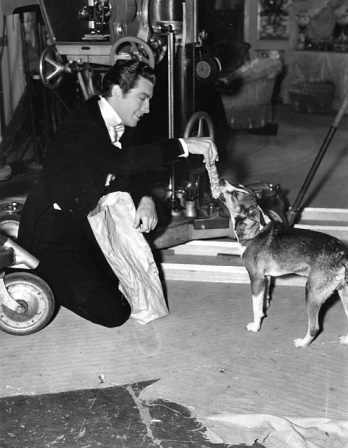
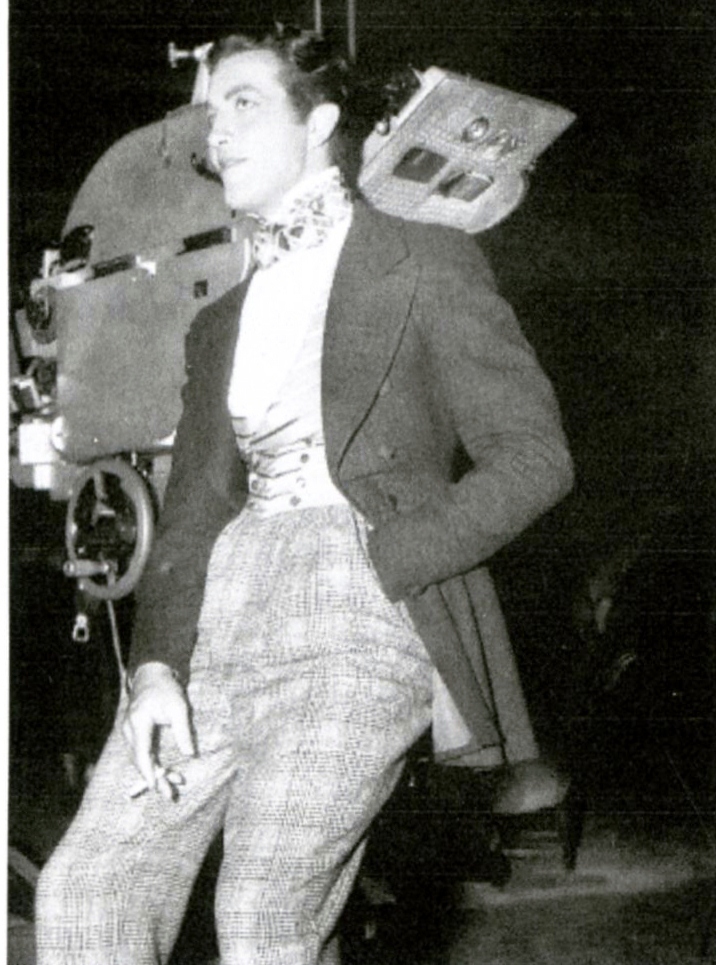
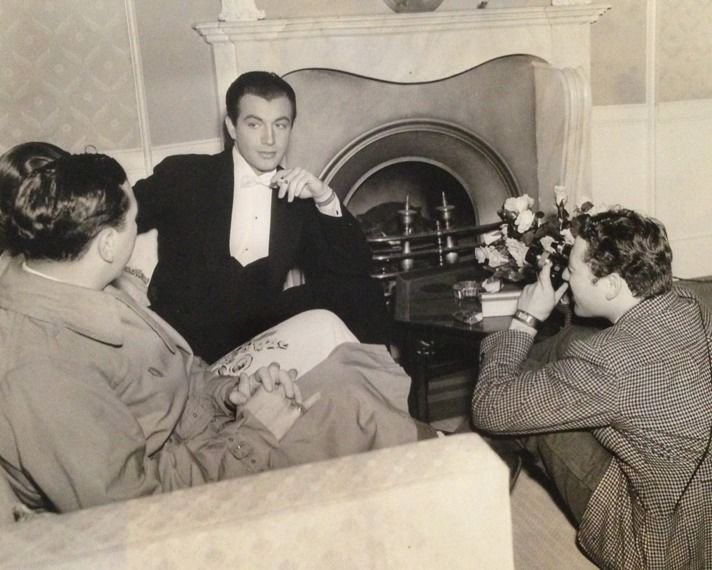
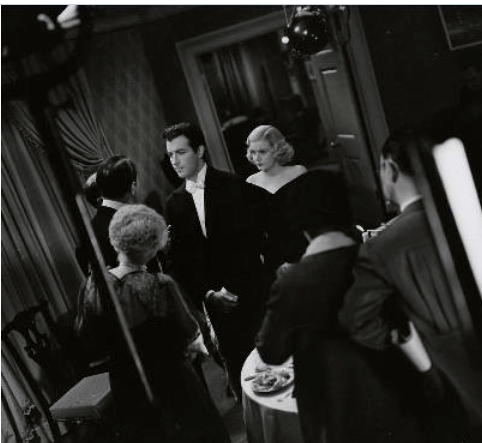
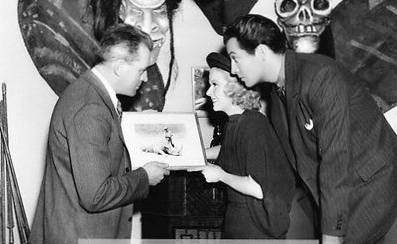
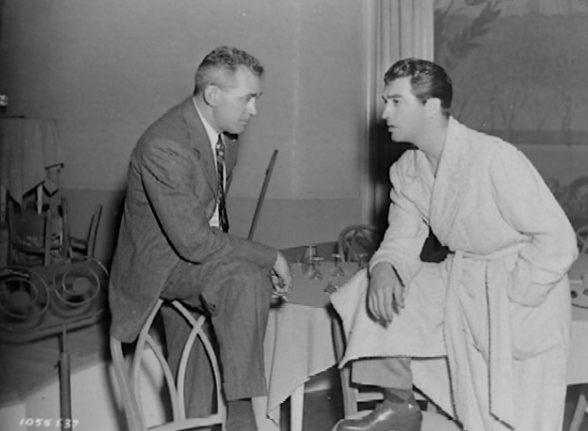
Some behind the scenes photos:

At Home in England. RT, while appearing in MGM's British Studios' "A Yank at Oxford," made his home at a 15th centur farmhouse near High Wycombe, Buckinghamshire. There, when hehad any spare time, he lived the lifeof an English county squire.
At Home in England. Robert Taylor, while appearing in MGM’s British Studios’ “A Yank at Oxford,” made his home at a 15th century farmhouse near High Wycombe, Buckinghamshire. There, when he had any spare time, he lived the life of an English county squire.
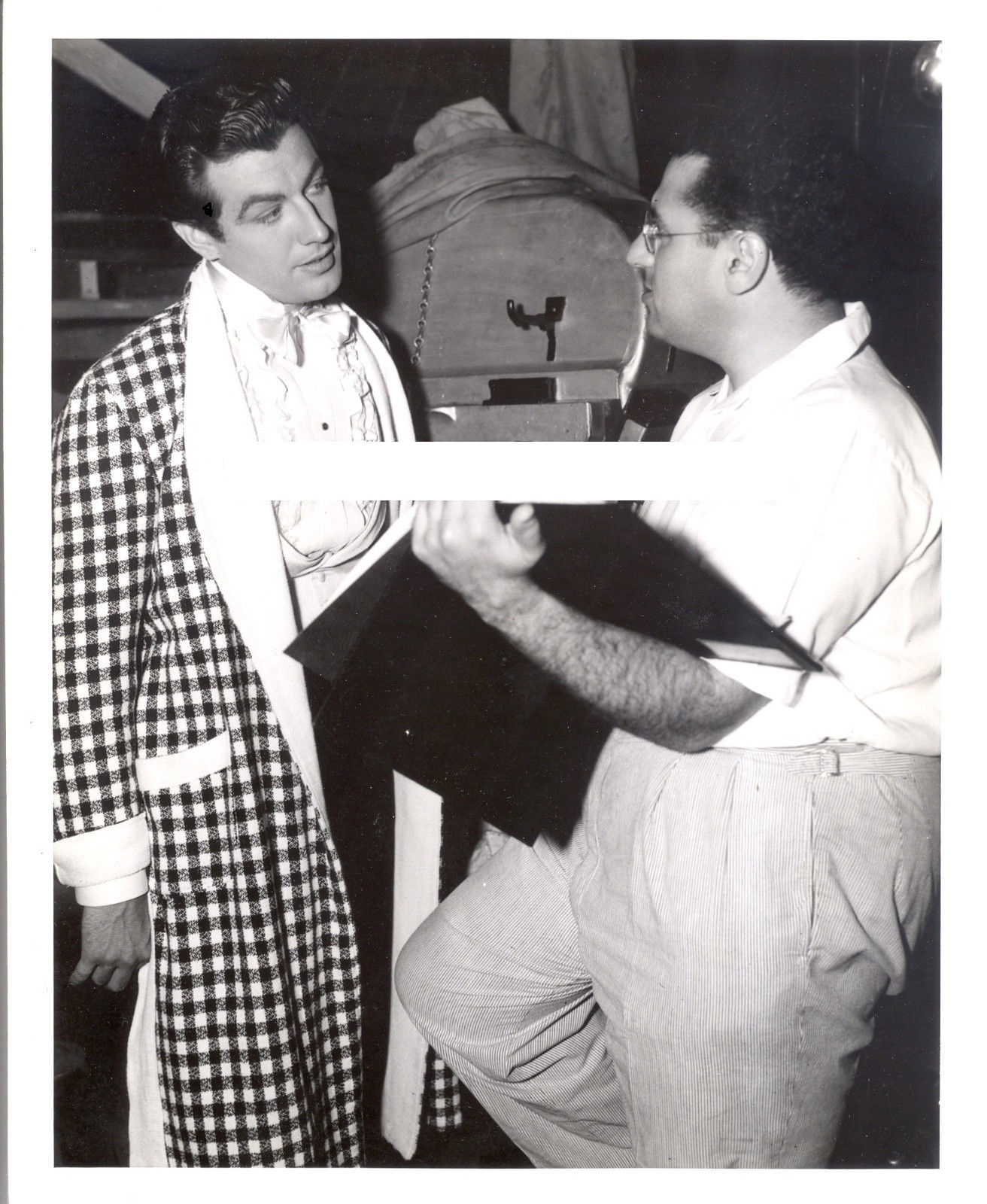
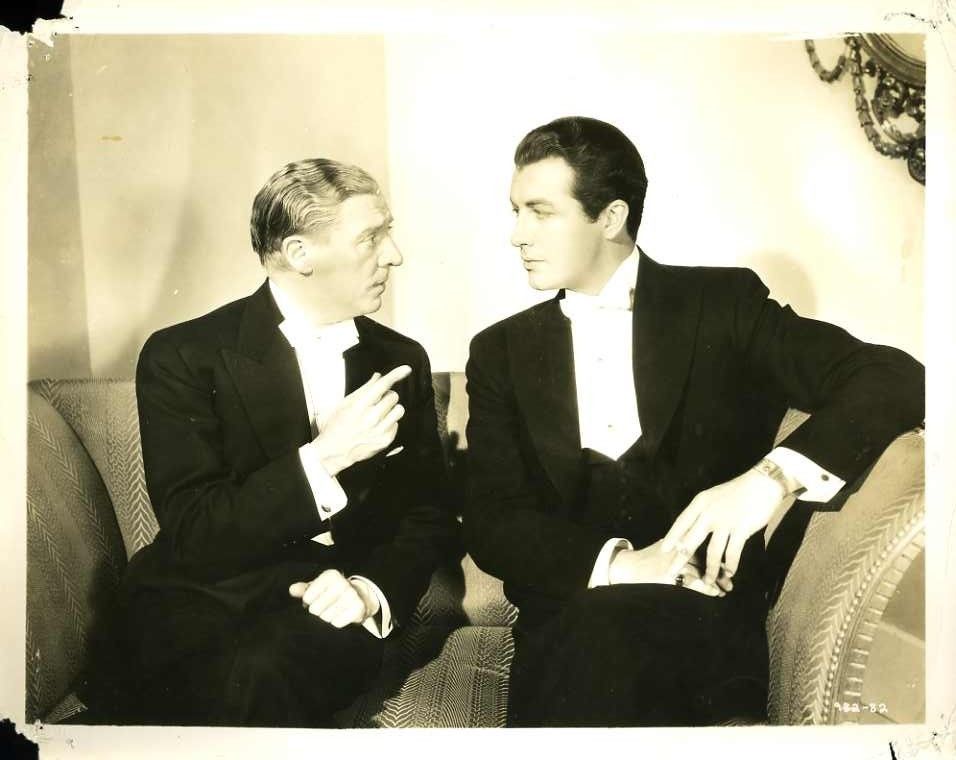
Rt and Edmund Gwenn, seen here with Director Jack Conway, discussing a scene of MGM British Studios' "AYaO," in which Maureen O'Sullivan and Lionel have leading roles.
Robert Taylor and Edmund Gwenn, seen here with Director Jack Conway, discussing a scene of MGM British Studios’ “A Yank at Oxford,” in which Maureen O’Sullivan and Lionel Stander have leading roles.
Robert Taylor and British Sculling Champion Ted Phelps during the filming of "A Yank at"Oxford.
RT and British Sculling Champion Ted Phelps during the filming of “A Yank at”Oxford.
Director Jack Conway & producer Michael Balcon with Robert Taylor on the set of film "A Yank at Oxford" filming in England.
Director Jack Conway and producer Michael Balcon with Robert Taylor on set of film “A Yank at Oxford” filming in England.

A very cold dip in the Thames (or Isis as it’s called in Oxford).


Posted in Films | Tagged , , , , , , , , , , , | 2 Comments

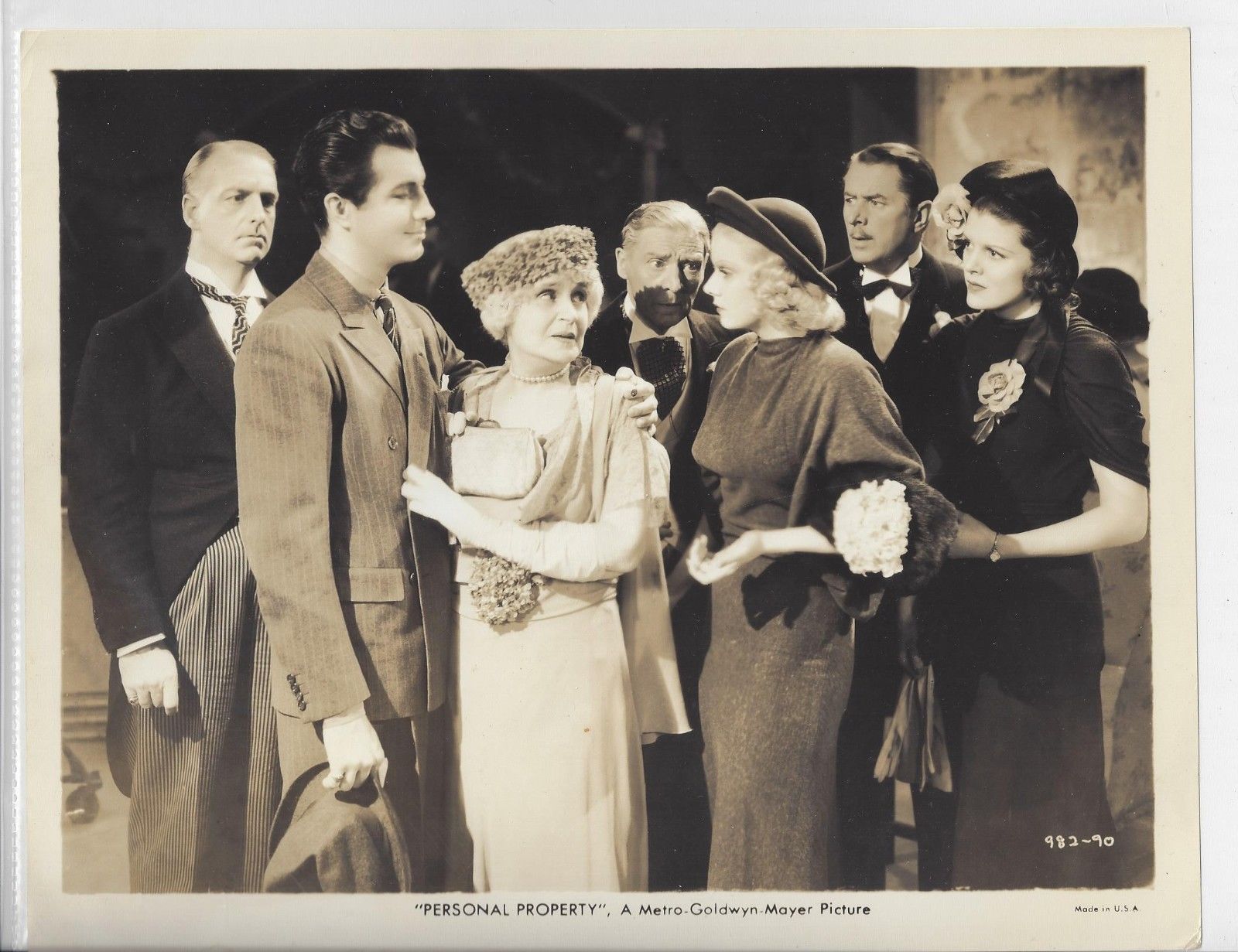
Personal Property, 1937, Is Playing on TCM on October 8 (USA)

Personal Property Is Playing on TCM on October 8 (USA)

Personal Property, 1937, is playing on Turner Classic Movies on Thursday, October 8 at 4:45 p.m. est.  Closed captioned.

abc
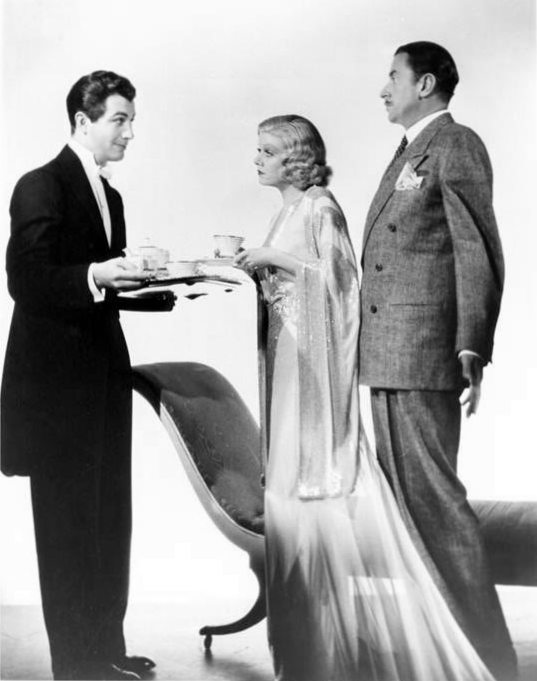
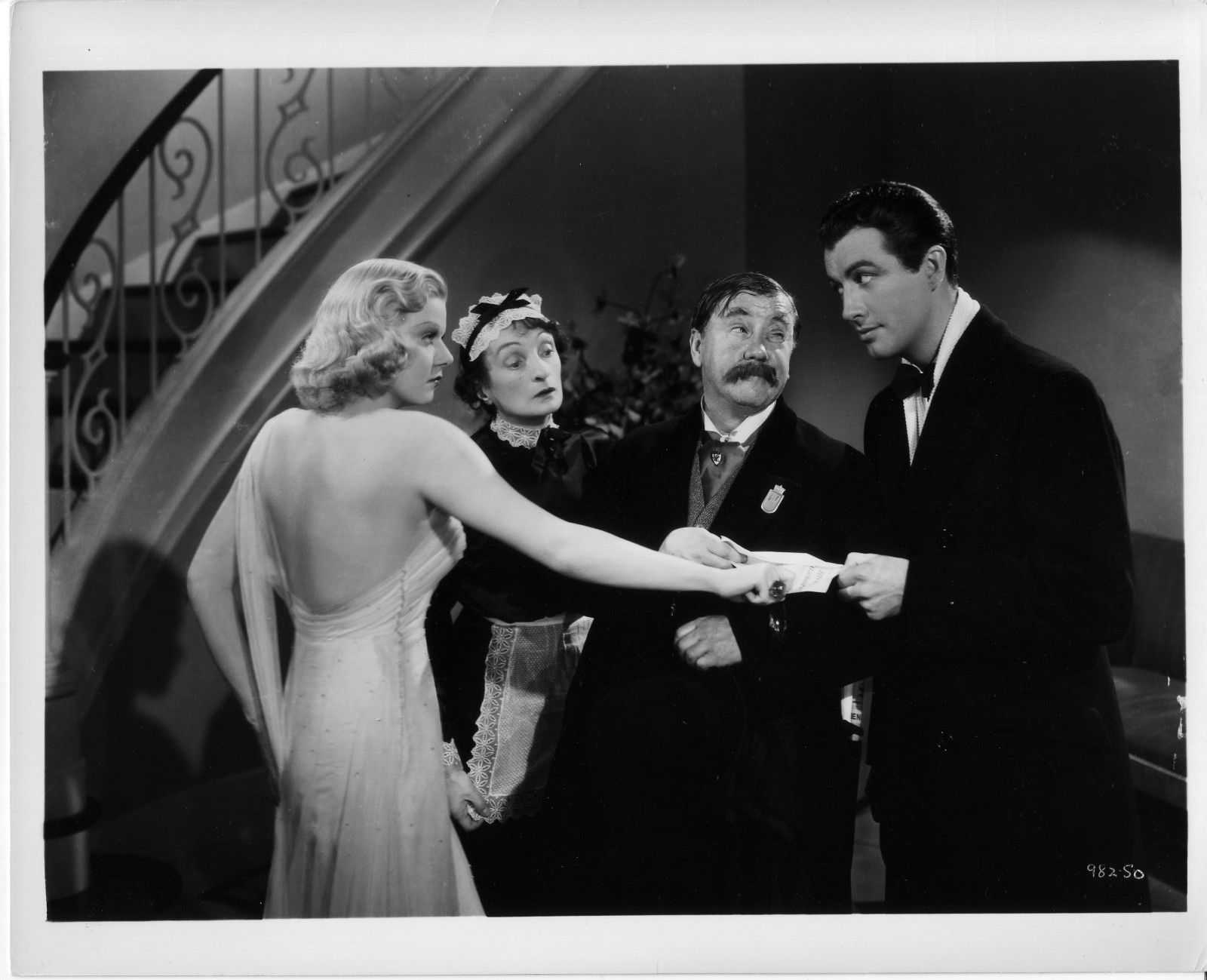
Robert Taylor, Jean Harlow and Reginald Owen

I’m a sucker for this movie. I’ve watched it many times and never fail to enjoy the excellent visuals, the superior acting and just the general silliness of it all. Robert Taylor is wearing much too much makeup but looks great anyway, especially in the bathtub scene!  Harlow’s cough is real and is a sad reminder of her fatal disease. The hat “business” with the bailiff is truly charming as is Raymond’s reaction to the news that the bailiff is expecting a baby that night. The centerpiece is, of course, the dinner party. The superb timing by all the actors pulls off a series of sight gags (pepper in the cocktail, the over-filled wine glass, the missing dinner, the dressing). I especially like the interaction between Raymond and his mother. It seems so natural. Highly recommended.  Review I wrote for Amazon.com.

RT4640
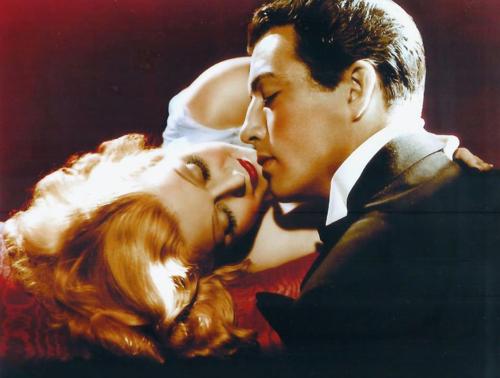
Jean Harlow and Robert Taylor

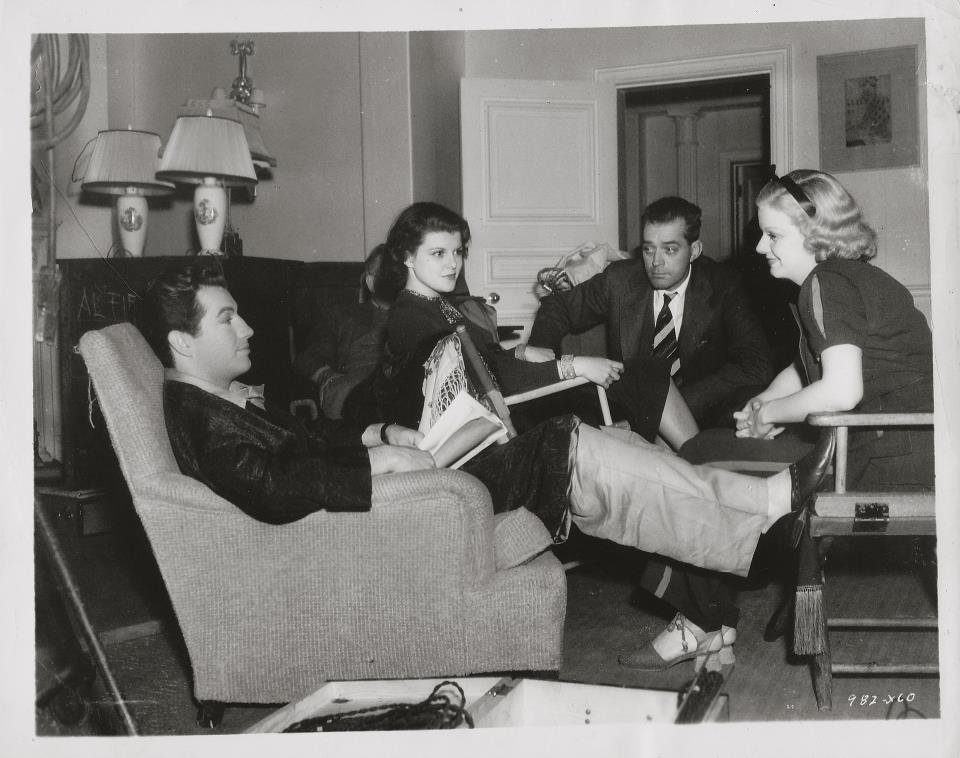
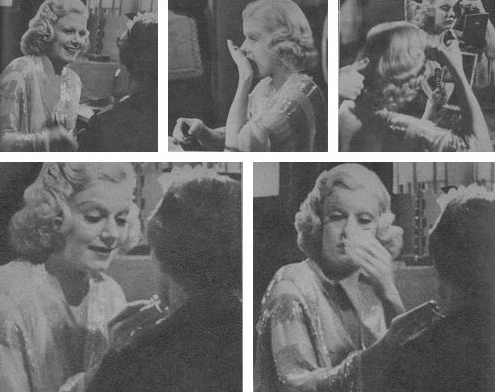
Some behind the scenes photos: I’m sorry these photos are missing but Word Press has screwed everything up and I can’t put them in. Judith


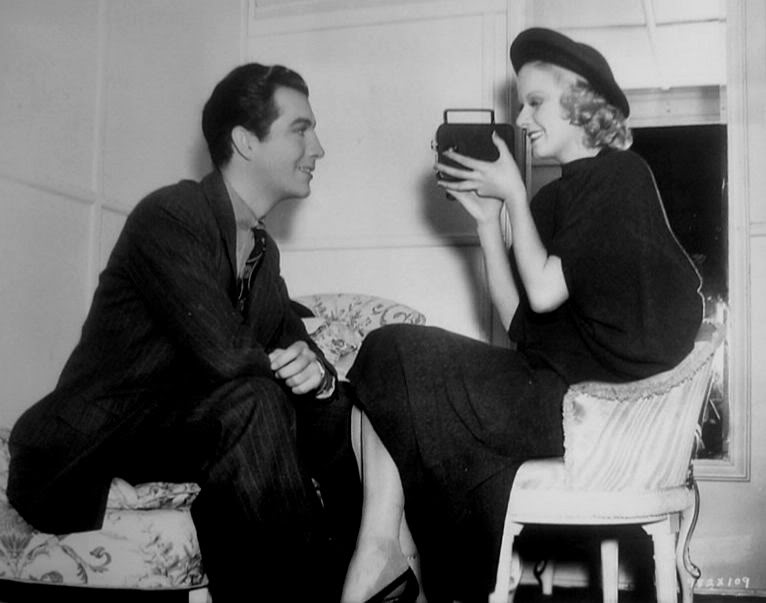
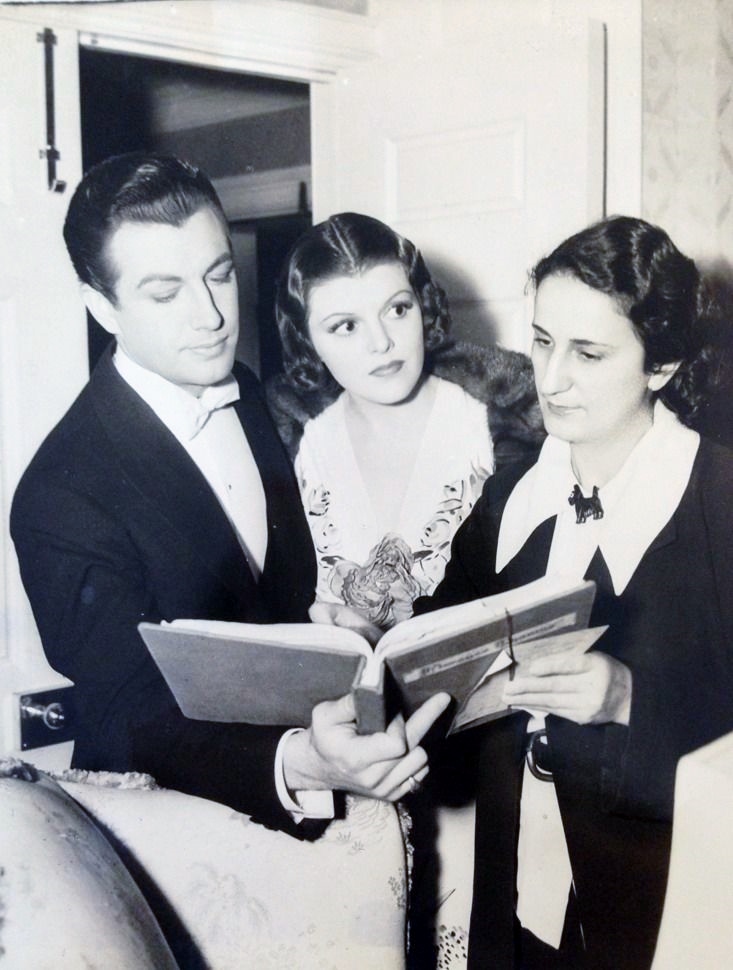
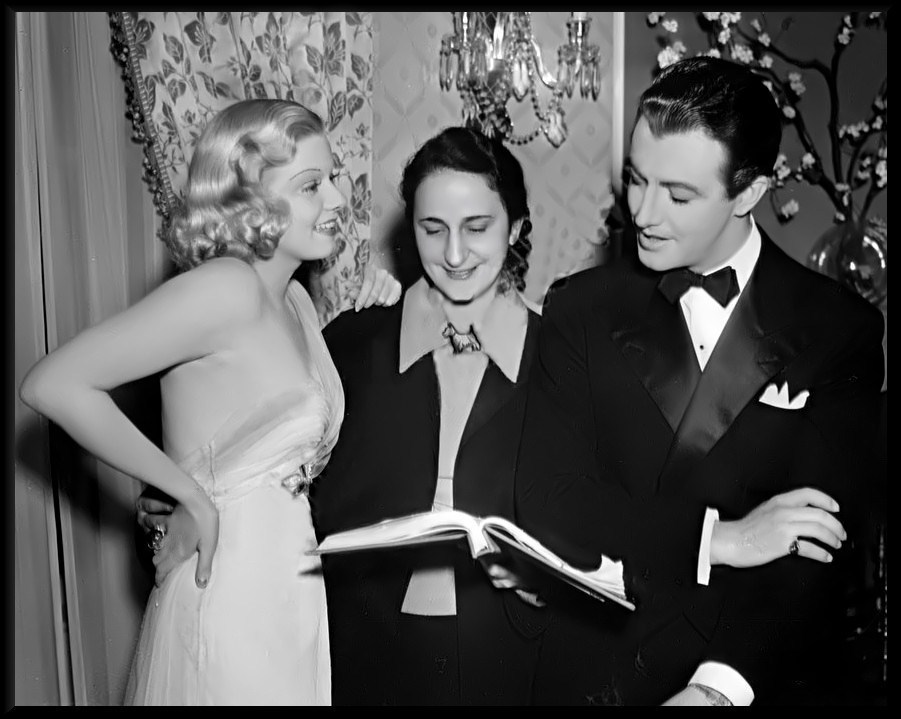
Left to right: Ms. Harlow photographs Mr. Taylor; Mr. Taylor, Mara Shelton, script girl; Ms. Harlow, script girl; Mr. Taylor.  (The original caption says script girl.  I don’t know her name.)


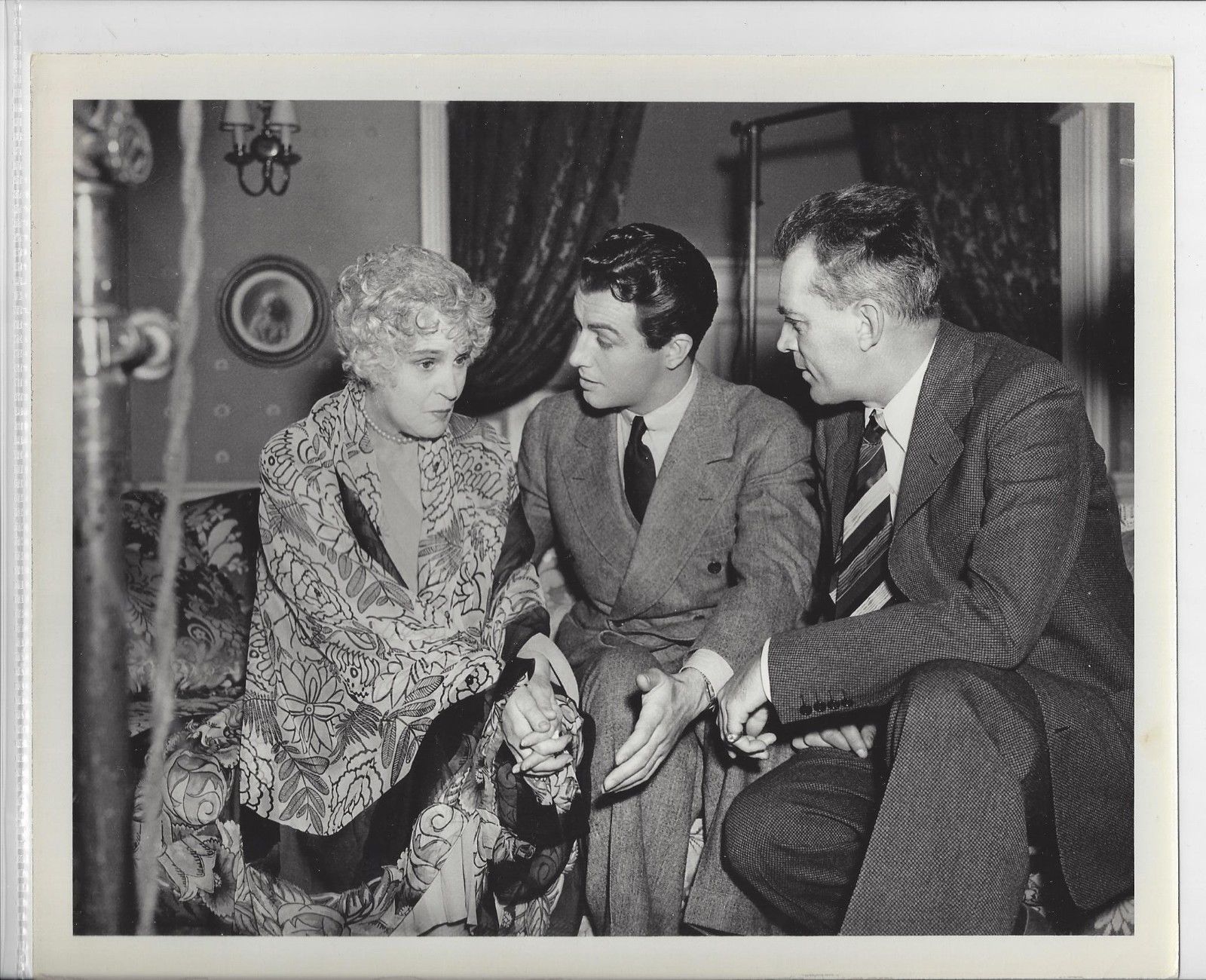
Left to right: Henrietta Crossman, Mr. Taylor, director W.S. Van Dyke; Barnett Parker, Mr. Taylor, Ms. Crossman, E.E. Clive, Ms. Harlow, Reginald Owen, Ms. Shelton; Mr. Taylor, Ms. Shelton, Mr. Van Dyke, Ms. Harlow.


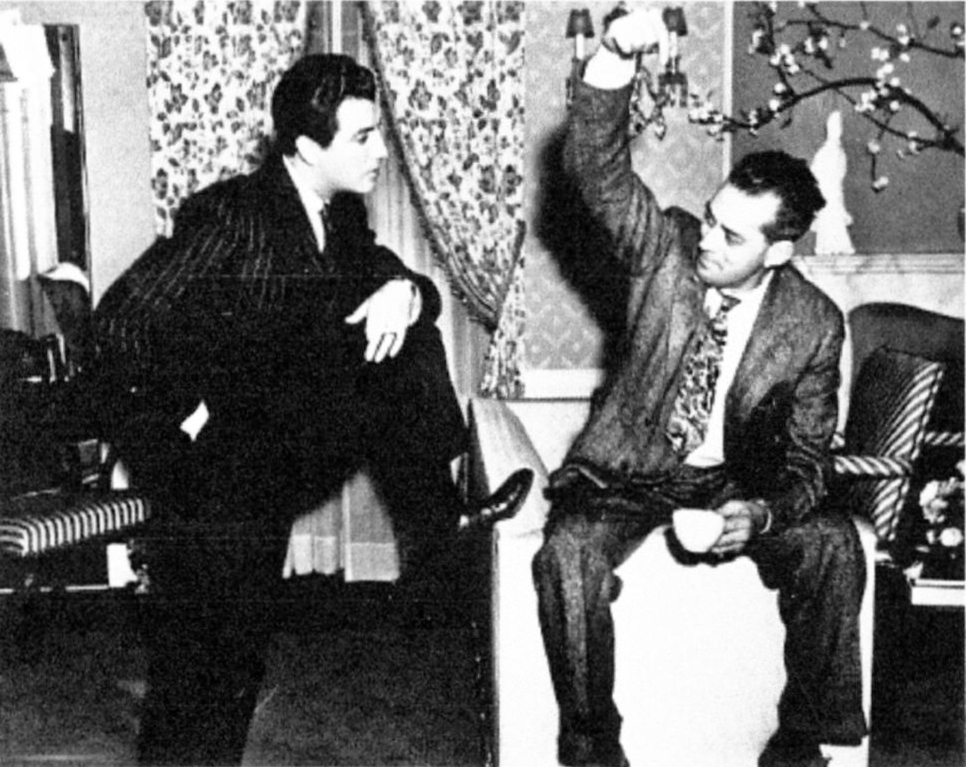
Left to right: Mr. Clive and Mr. Taylor; Mr. Taylor and Mr. Van Dyke; unknown, Mr. Taylor, photographer.


Left to right: Ms. Crossman, Mr. Gardner, Ms. Harlow; Ms. Harlow; Ms. Harlow, Una O’Connor, Forrester Harvey, Mr. Taylor.


Left to right: Mr. Van Dyke; Ms. Harlow; Mr. Taylor;  Mr. Van Dyke; Mr. Taylor; Mr. Van Dyke, Ms. Harlow, Mr. Taylor.

Posted in Uncategorized | Tagged , , , , , , , , , , | 11 Comments

Quo Vadis, 1951, Is Playing on TCM Sept. 26 (USA)

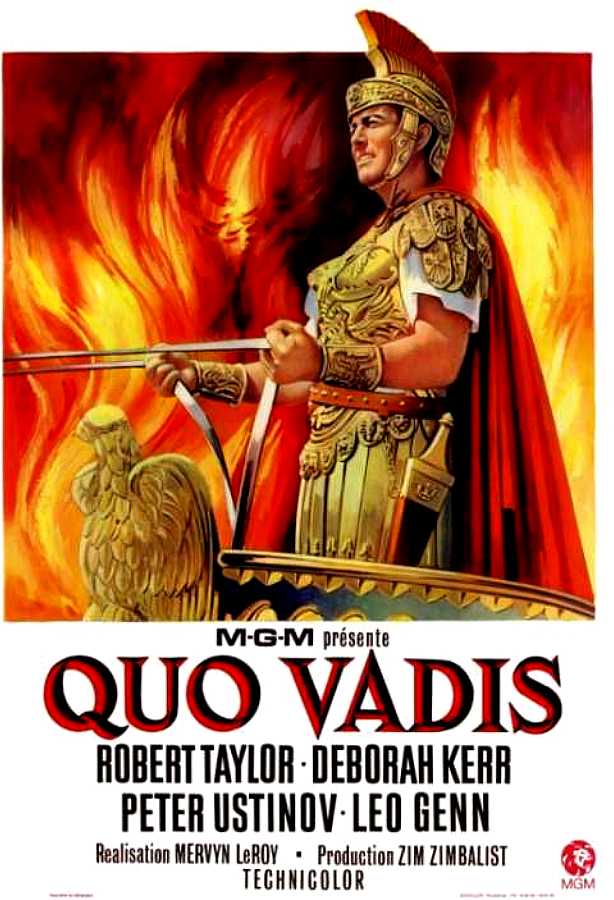
The epic Quo Vadis, 1951 is playing on Turner Classic Movies on Saturday September 26 at 2:00 p.m. est.  Closed captioned.  If you haven’t seen this, you’ve missed something truly special.

The 1st century Roman Empire, the fire of Rome, early Christianity, martyrdom…this historical content was dealt with in many films before and after 1951. Yet, it is LeRoy’s Quo Vadis most viewers associate with the infamous period of Roman history, the reign of Nero (A.D. 54-68). Why? There are, I think, several reasons. One is, definitely, the source, a Noble Prize winner novel by Henryk Sienkiewicz. The Polish writer, being an acknowledged historian, contained detailed historical facts and a vivid fictitious story in his novel. As a result, Quo Vadis is a universal masterpiece, absolutely worth reading for anyone. But, since the film, though an adaptation of the book, skips many events or even characters, we may treat Mervyn LeRoy’s Quo Vadis as a separate Hollywood production. In this respect, the movie is also well known as a gigantic spectacle with great cast, lavish sets, crowds of extras, which constitutes a magnificent journey to ancient Rome, the Rome which was on the verge of becoming “Neropolis”. Then, a viewer does not have to know the novel and will enjoy the film.

THE STORY: If we consider Quo Vadis? as an entertaining movie only (which is, of course, a limited view), then anyone more acquainted with cinema will find much in common with Cecil B DeMille’s great epic The Sign of the Cross (1932). Yet, comparison does not work that well concerning the perspective of Quo Vadis (1951). After deeper analysis of the films, a lot of differences occur. While DeMille’s film based on Wilson Barret’s play shows early Christianity in Rome, it foremost concentrates on the clash between the new religion and the Roman order being put in danger. LeRoy’s movie, since based on Henryk Sienkiewicz’s, focuses on the undeniable victory of Christianity. Marcus Vinicius (Robert Taylor) at first finds a new faith meaningless. He has reasonable arguments from the Roman point of view (what about slaves, conquest, enemy treating, etc). Yet gradually, thanks to love for Lygia (Deborah Kerr) and the courageous faith of the martyrs, he shouts out with confidence “Christ, give him strength!” The story of Nero and “the imperial companions” is also much more developed. Yet, Nero (Peter Ustinov) is not only the one who heads for delicious debauchery but also wishes the crowd to have one throat that could be cut. He is an artist who burns Rome in order to create a song. He is a coward who blames the innocent for his own guilts. He is a cynic who collects tears in a weeping phial after the death of his “best friend” Petronius (Leo Genn). Finally, he is a lunatic who praises his “divine ego” and screams at his death seeing no future for Rome without him.

CAST: Anyone who has seen ancient epics must admit that most of them can boast great performances. Nevertheless, I believe that Quo Vadis is one of the top movies in this matter. Robert Taylor and Deborah Kerr are a gorgeous couple portraying a Roman leader  and a Christian girl. Taylor naturally expresses a change of heart. Kerr appealingly portrays innocence, gentleness and true love. Leo Genn is excellent as Petronius, a man of art and elegance who is fed up with Nero’s “secondary songs and meaningless poems.” Peter Ustinov gives a fabulous performance as Nero combining all wicked features of his character. I also loved Patricia Laffan as lustful empress Poppaea with her two pet leopards. There is no milk bath of hers, she does not imitate Ms Colbert but Laffan’s Poppaea is foremost a woman of sin, a woman of lust, and a woman of revenge. The Christians, except for a number of extras, are portrayed by very authentic-looking actors: Abraham Sofaer as Paul and Finlay Currie as Peter…not more to say than that they look identical to the old paintings.

SPECTACLE: The movie is a visually stunning epic that can be compared in its magnificence to Ben Hur (1959) and even Gladiator (2000). There are numerous breathtaking moments: arena scenes, lions, bull fighting, triumph in the streets, and foremost the fire of Rome. We see the real horror within the walls of the burning city. A moment that is also worth consideration is Vinicius hurrying to Rome on a chariot being chased by two other men. When he comes nearer, we see the red sky… The authenticity is increased by a lovely landscape of Cinecitta Studios near Rome where the film was shot. For the sake of spectacle, I went once to see Quo Vadis on a big screen in cinema and felt as if I watched a new film made with modern techniques. It was a wonderful experience.

All in all, I think that Quo Vadis by Mervyn LeRoy is a movie that has stood a test of time. Although it is 55 years old, it is still admired in many places of the world. It’s one of these movies that are the treasures of my film gallery. Not only a colossal spectacle, not only great performances but a very profound historical content at which Henryk Sienkiewicz was best.

Quo Vadis Domine? Where are you going, Lord? These are the words that Peter asked Christ while leaving Rome. After the answer that Peter heard from his Lord, he turned back… in order to proclaim peace to the martyrs and to be crucified. Yet, where once stood decadent “Neropolis” now stands the Holy See where people yearly pilgrim to the tombs of the martyrs and where the blessing “Urbi et Orbi” is goes to all the corners of the world. Sienkiewicz writes about it in the touching final words of the novel. Yet, LeRoy changes it a bit in the film…

A small group of Christians who survived, including Lygia and Marcus, are on a journey. But after a short stop at the place where Peter met Christ, the journey seems to turn into a pilgrimage towards “the Way, the Truth and the Life”   Review by Marcin Kukuczka from Cieszyn, Poland for the IMDB

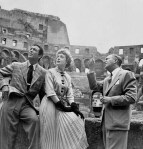
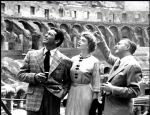
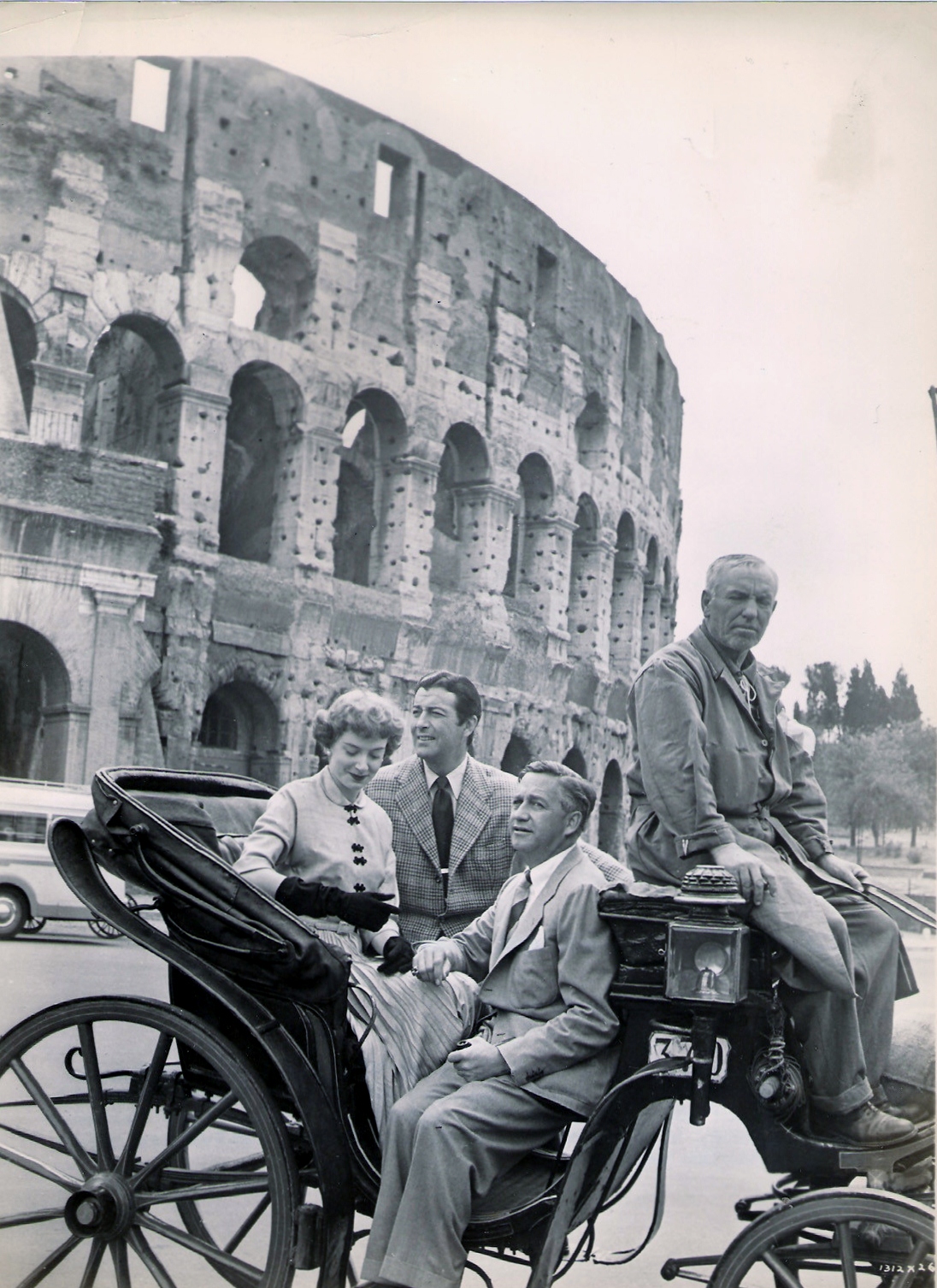
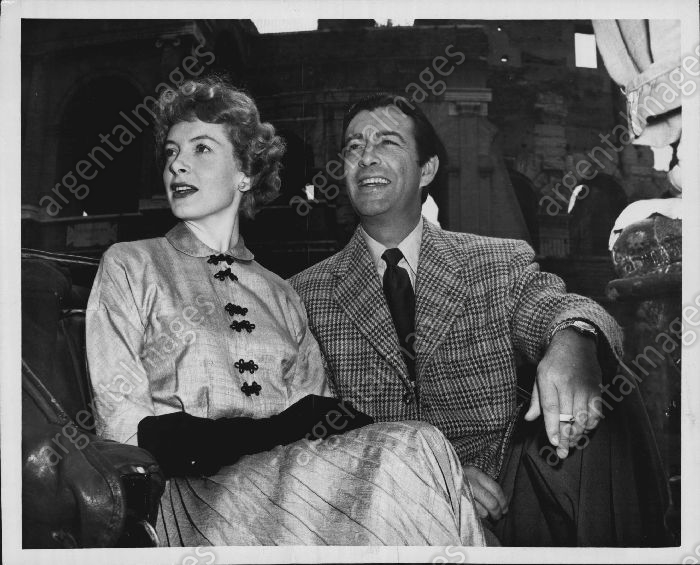
Robert Taylor, Deborah Kerr and Mervyn LeRoy touring Rome:

1950
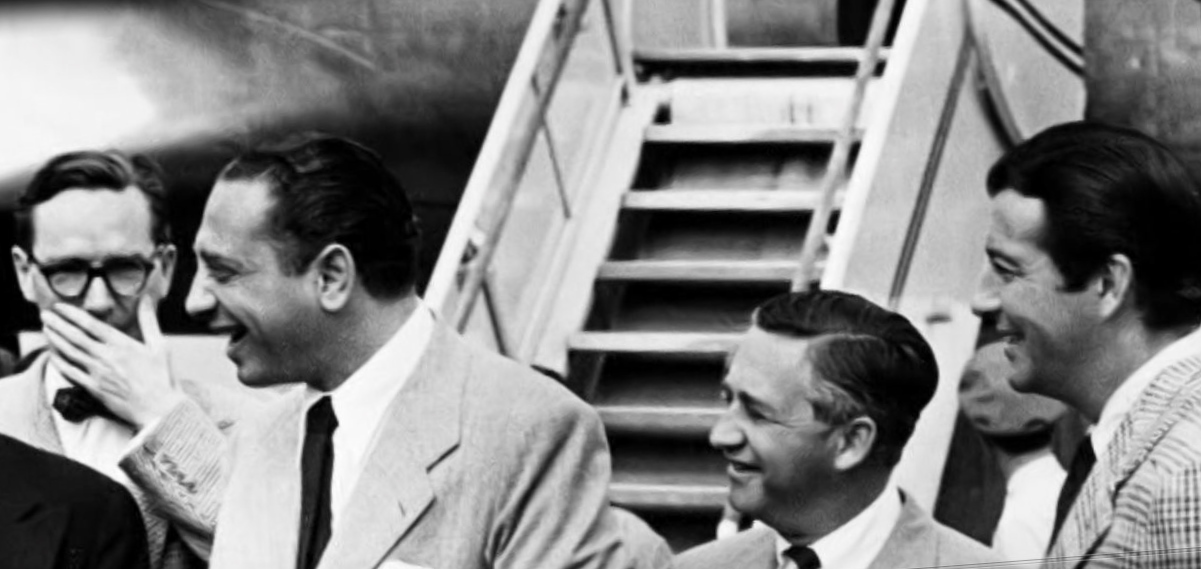
The Hollywood Crew Arriving in Rome: writer John Lee Mahin, producer Sam Zimbalist, director Mervyn LeRoy, Robert Taylor

1950
Overlooking the Roman Forum
1950 1950
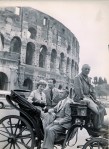
A Carriage Tour Arrives at the Colosseum

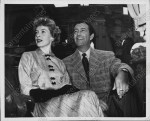
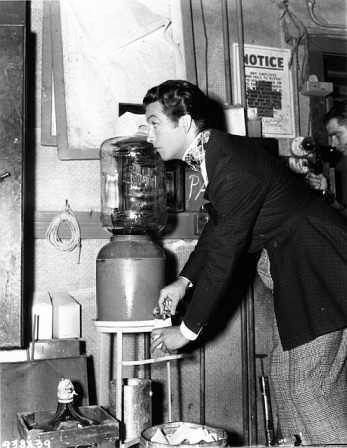
Bored before the photo; fascinated while being photographed.
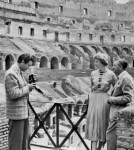

Mr. Taylor doing his own photography

Posted in Films | Tagged , , , , , , , , , , , , , , , | Leave a comment

Camille, 1936, Is Playing on TCM on September 18 (USA)

Camille, 1936, is playing on Turner Classic Movies on Friday, Sept. 18 at 2 p.m. est.  Closed Captioned. This is the love story of all love stories and shouldn’t be missed.

???? This film further proves that the assembly-line system of Hollywood studios back then should also be taken seriously in terms of artistry. Just because movies were produced run-of-the-mill doesn’t mean that they weren’t paid critical attention to by their makers. The usual impression on studio-era Hollywood is: take a formulaic narrative style, maybe adapt a stage play for the screen, blend in a handful of stars from the stable and the films rake in the profit at the box office. Not quite, that’s the easy perception. George Cukor, another of those versatile directors, made it apparent with Camille that filmmaking as an art may still flourish despite (and even within) certain parameters. Camille is beautiful, in so many respects. And it’s not just because of Greta Garbo.

Sure, the acting is amazing, the casting is perfect. Garbo is luminous, mysterious, cruel, and weak at the same time. Robert Taylor surrenders himself to be the heartbreakingly young and vulnerable Armand. Henry Daniell’s coldness and sadism is utterly human and familiar. The others are just plain wonderful. The writing contains so much wit and humor, devotion and pain – but it never overstates anything. The rapport and tensions between lovers, friends, and enemies are palpable and consistent. The actions flow so naturally, just like every scene, that checking for historical inconsistencies seem far beside the point.

There is so much that I love about Camille that it’s hard to enumerate them all, but with every little discovery comes the realization that this is “but” a studio production, so it makes the experience more exquisite. Camille is a gentle, poignant romantic movie that, like Garbo, takes its place delicately and self-effacingly in the history of American cinema, but makes itself indelible in the heart and mind of the lovelorn individual viewer. Review by tsarevna for the IMDb.

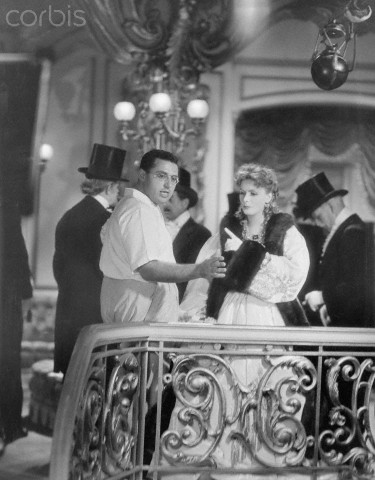
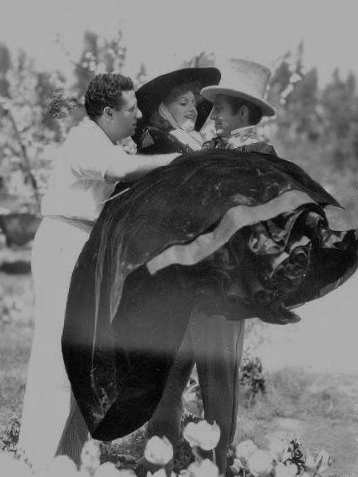
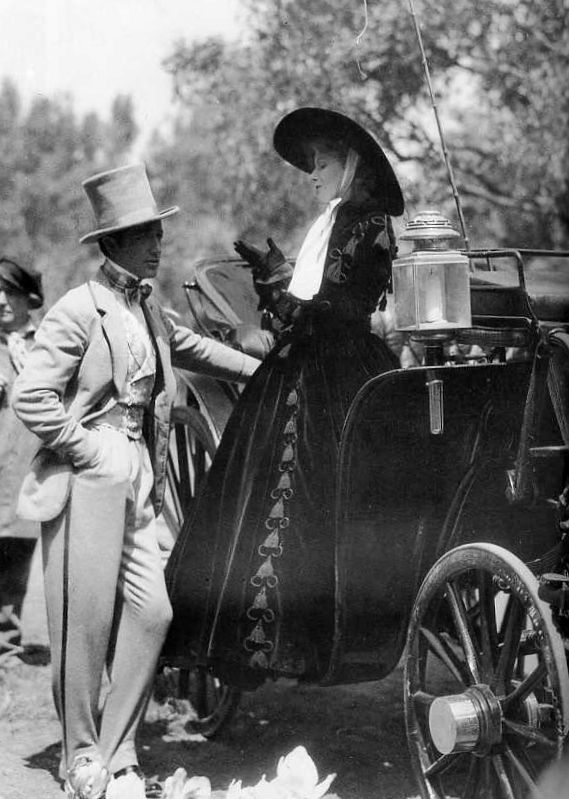
Some behind-the scenes photos from Camille.

19361936

RT649019361936He also plays baseball-in costume on the set.

19361936cukor-rt11936 taking pills (Vitamin?)

Camille-behind-the-scenesRT646RT27911936; original caption--time out for movie idols

RT3881RT7407Greta Garbo Pointing at George Cukor

Making Marguerite’s Dresses:

RT7386936: A dressmaker working on one of Greta Garbo's dresses for the MGM film 'Camille' which were designed by Adrian. (Photo by Hulton Archive/Getty Images)circa 1936: Seamstresses working on a dress to


Posted in Films | Tagged , , , , , , , , , , , , , , | Leave a comment

Westward the Women, 1951, Is Playing on TCM on Sept. 16 (USA)

I’m sorry you haven’t heard from me lately.  On August 22 I fell in my kitchen, broke my left leg and did a number on my tailbone.  Major ouch.  Judith

Westward the Women (1951) is playing on Turner Classic Movies on Wednesday, September 16 at 1 p.m. est.  Closed captioned.

4410Robert Taylor and John McIntire interview the women who want to go west.

John McIntire approaches wagonmaster Robert Taylor with an interesting job and challenge. He wants to bring brides west to the settlement he’s founded in [California]. Taylor hires on a bunch of hands to escort the women and issues a no fraternization policy. When one of them tries to rape [a woman], [Taylor] shoots him out of hand. It’s the unsettled frontier and as wagonmaster he’s the law on that train as much as a captain on a ship at sea. Of course the hands mutiny and strand Taylor, McIntire, cook Henry Nakamura and the women.

This was a perfect western film for the post Rosie the Riveter generation. No reason at all why women couldn’t deal with the rigors of a wagon train. Of course it helped to have the formidable Hope Emerson along.
Of course men and women will be men and women and Taylor breaks his own no fraternization policy with Denise Darcel. Of course this is away from the train when Darcel runs off.
William Wellman delivers us a no frills unsentimental western with gritty performances by Robert Taylor and the rest of the cast. In a bow to his colleague John Ford, Wellman does have a courtship dance at the settlement. I liked the use of the fiddle music playing “Believe Me With All Those Endearing Young Charms” and “Drink to Me Only With Thine Eyes.”: Ford couldn’t have staged it better.

Henry Nakamura had made a big hit in MGM’s “Go For Broke” about the Nisei division in Italy. He was a funny little guy, I’m not sure he was even five feet tall. I loved the scene when he and Taylor find a stash of buried liquor and proceed [to go] on a toot. This was his last film though, roles for Oriental players were hard to come by. I wonder whatever happened to him.

If you like traditional cowboy films, this one ain’t for you, but given the constraints of 19th century society for the role of woman Westward the Women is quite a revelation. Review by bkoganbing from Buffalo, New York for the IMDb..

Some behind-the-scenes photos:


From left: William Wellman and Robert Taylor; Mr. Taylor outside of his dressing room.

Voss sound technician
From left: Polly Burrows and Robert Taylor; Mr. Taylor with sound technician Voss.

Posted in Films | Tagged , , , , , , , , , , | 10 Comments